
Hydronic systems
Heating, cooling and hot water
Air-to-water equipment can support hydronic heating, hydronic cooling and larger hot water loads when selected correctly.
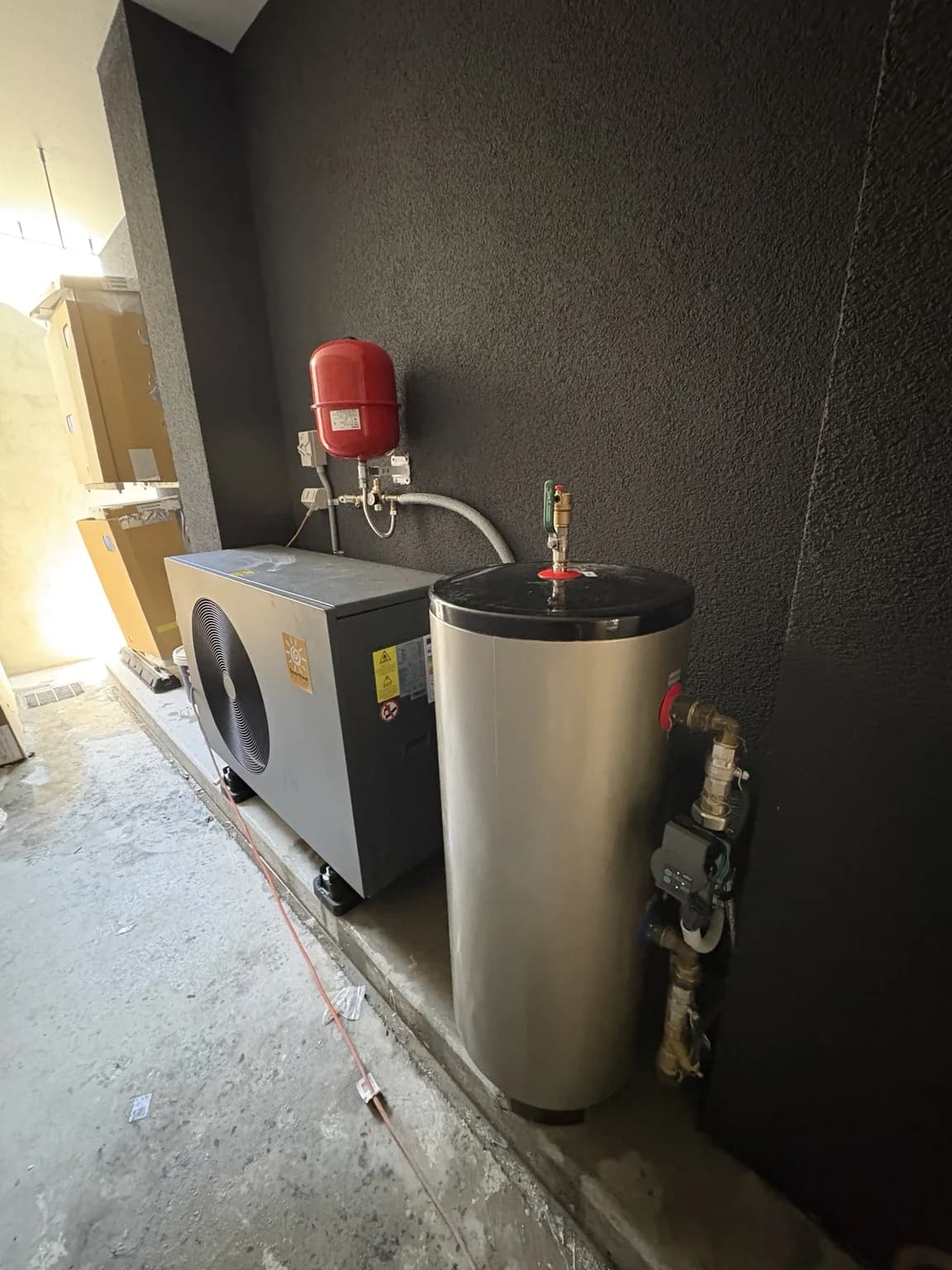
Hydronic heat pumps
Air-to-water heat pumps for Sydney and NSW hydronic heating projects, including underfloor heating, radiators, cooling and larger hot water requirements.
Air-to-water hydronic sources
Heating, cooling and hot water applications
Low and high temperature planning
Integrated hydronic system design
Hydronic heat source selection
Air-to-water units can serve heating, cooling, large domestic hot water loads and commercial hot water systems.
Selection must be connected to the emitters, water temperature, power supply, buffers, storage and controls in the hydronic system.
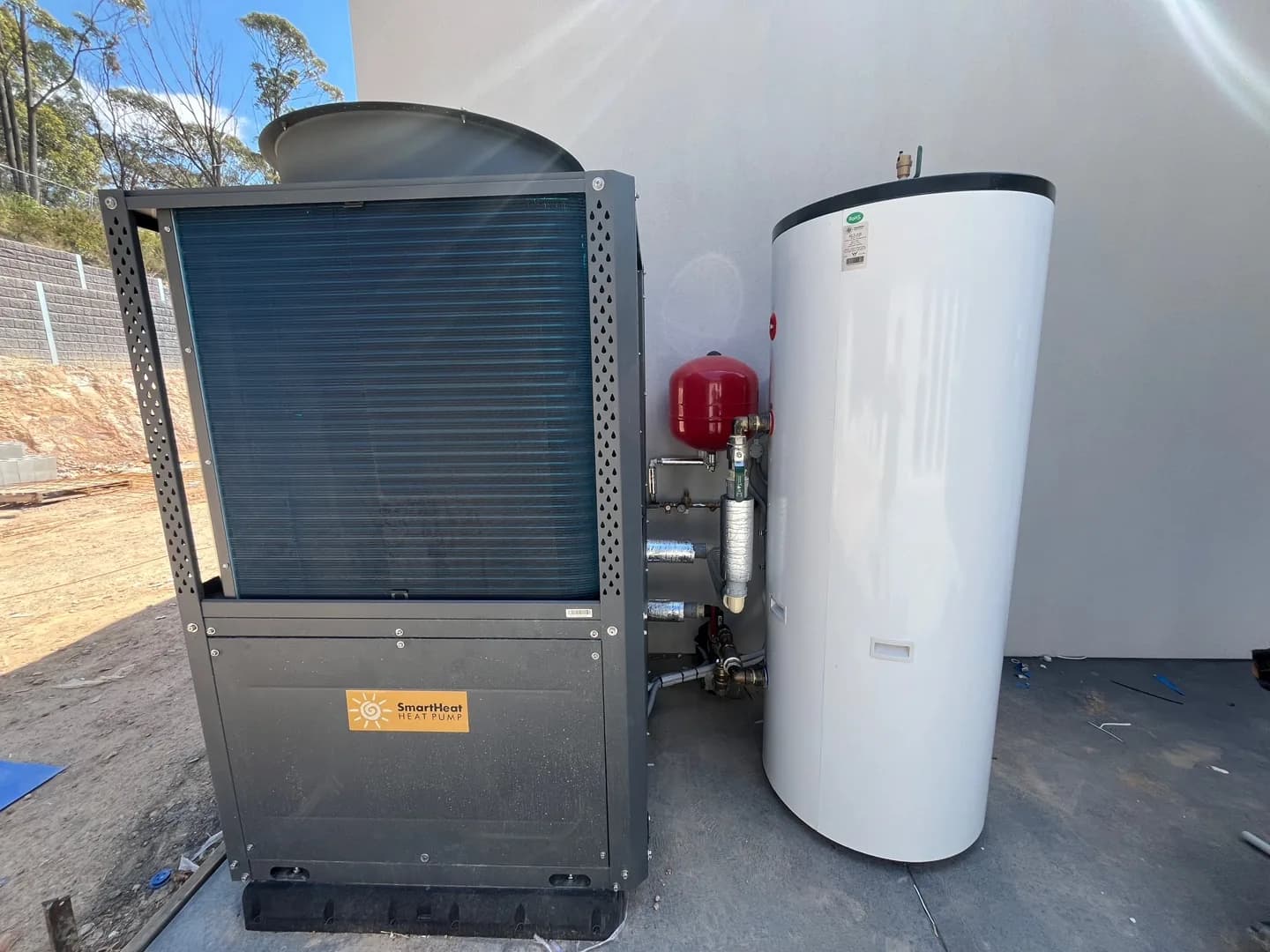
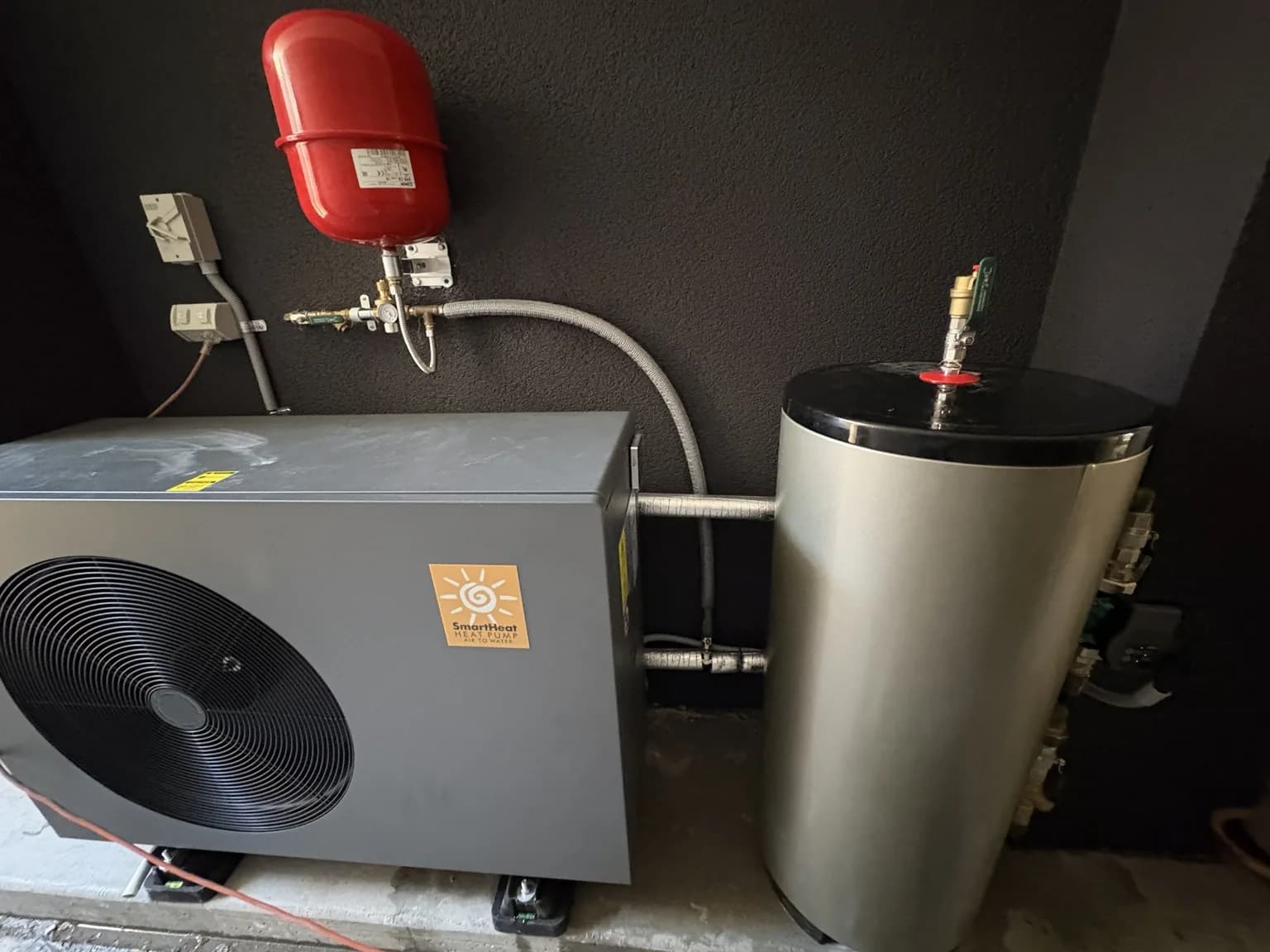
Hydronic heat source
Hydronic heat sources need to be selected around water temperature, climate, heat load and whether the system also serves domestic or commercial hot water.
Hydronic systems
Air-to-water equipment can support hydronic heating, hydronic cooling and larger hot water loads when selected correctly.
Low temperature
Low temperature ranges can support operation in colder areas when selected for the required duty.
High temperature
Higher temperature units can be considered when commercial hot water temperatures are required.
System design
Underfloor heating, radiators, buffers and storage tanks all affect heat pump selection.
Selection process
Selection starts with the system load and water temperature, then checks capacity, climate, power and hydraulic integration.
Review room loads, domestic hot water loads and any commercial hot water requirement.
Match flow temperatures to underfloor heating, radiators, cooling or hot water storage.
Confirm single or three-phase supply, outdoor unit location, buffers and storage tanks.
Coordinate thermostats, manifolds, valves, buffers and hot water priority controls.
Technical planning
The unit cannot be selected in isolation. The hydronic emitters, storage and controls determine the operating conditions.
Suitable projects
FAQ
Yes. Hydronic underfloor heating can pair well with air-to-water equipment when the system is designed around suitable water temperatures and controls.
Some systems can also heat domestic or commercial hot water. Check storage, required temperatures and priority controls before selection.
Capacity ranges can include smaller single-phase hydronic units as well as larger three-phase and high-temperature units for bigger loads.
Heat loads, emitter type, required flow temperature, climate, power supply, storage requirements and drawings are all useful.
Guides
Explore SmartHeat R290 multifunctional heat pumps for residential heating and cooling, with inverter technology, high efficiency and multiple capacity options.
Compare hydronic heat pumps and gas boilers, including how each produces heat, water-temperature requirements and suitability for new or existing systems.
Projects
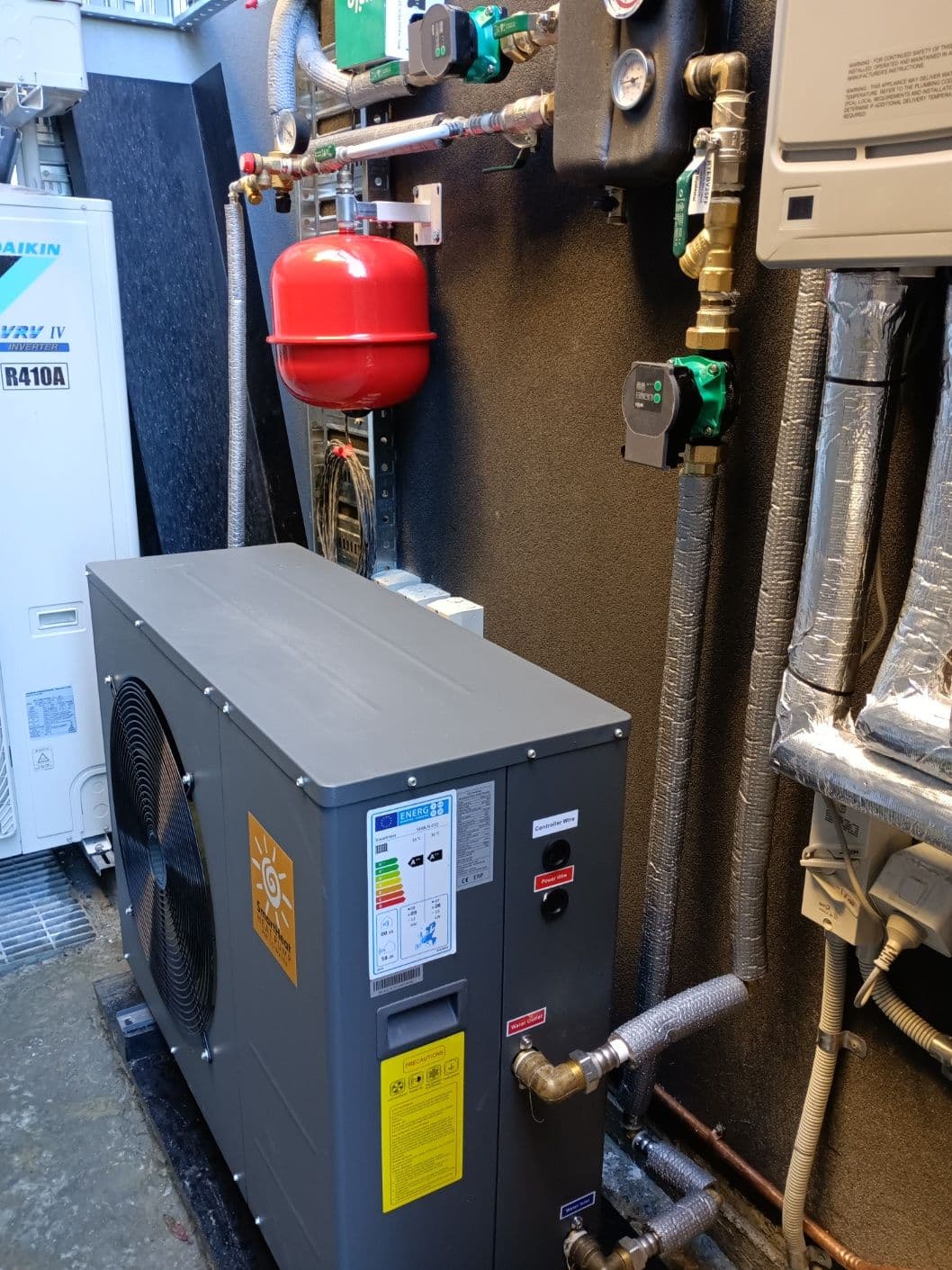
Mosman, Lower North Shore, NSW
Heat Pump Installation - Residential Models
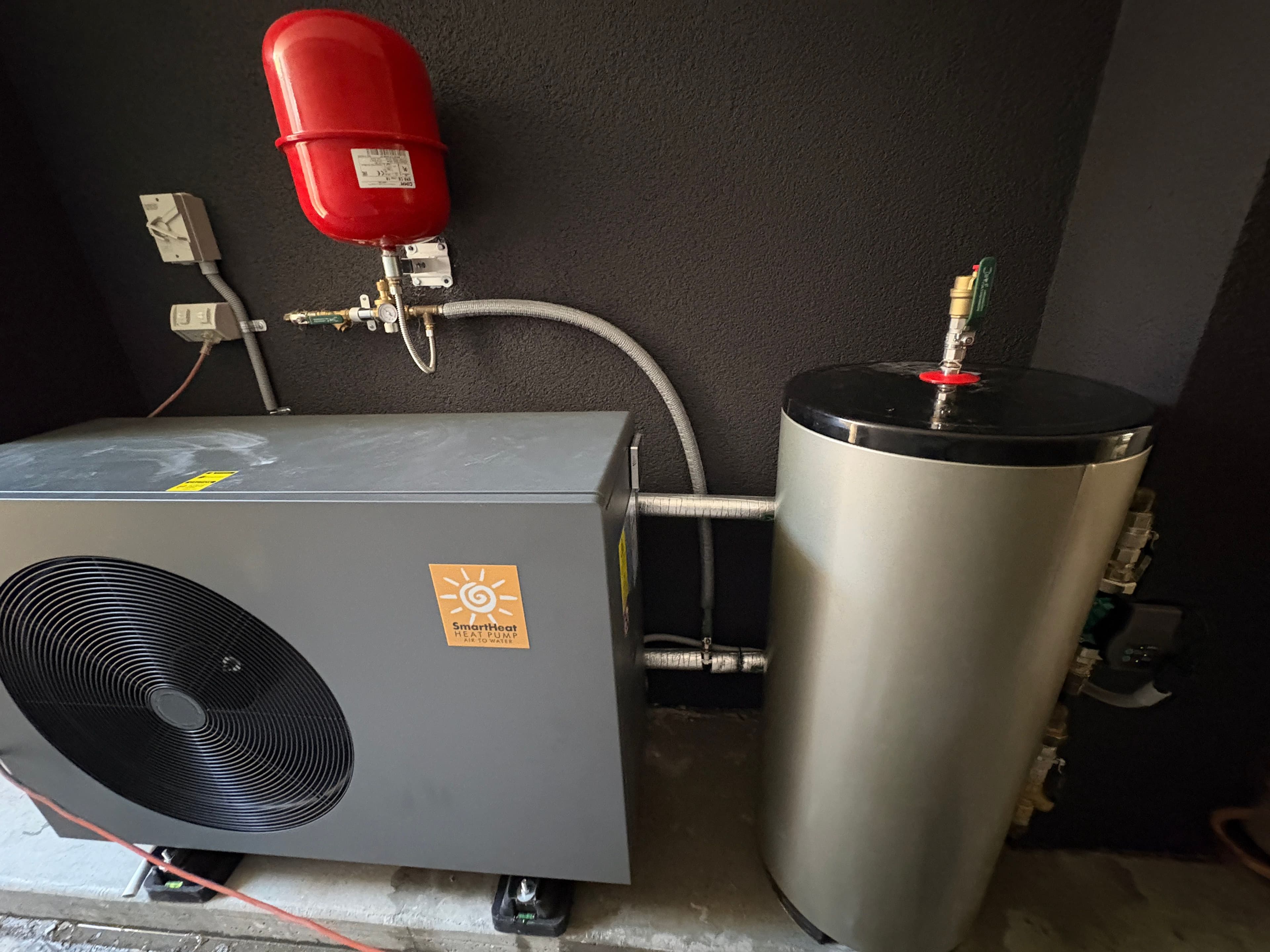
Kiama Heights, Illawarra, NSW
Heat Pump Installation - Residential Models
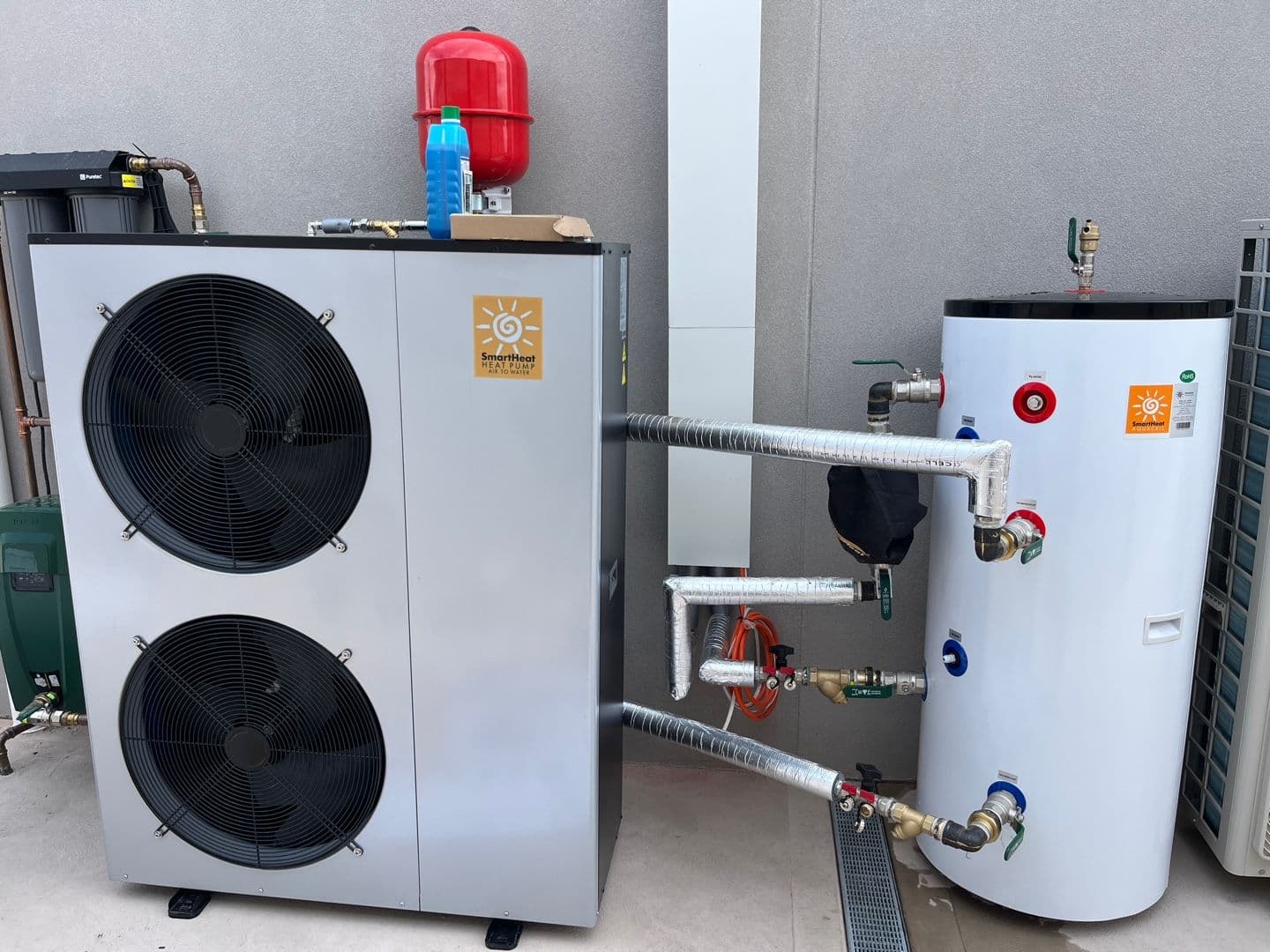
Guildford, Western Sydney, NSW
Heat Pump Installation - Residential Models
Match the source
Share the hydronic design, heat loads, target water temperatures and plant space so the heat source can be matched properly.
Need full delivery support?
Review SmartHeat's design, supply and installation service for complete project coordination.
Design, Supply & Installation