
COP
Efficiency changes with conditions
Coefficient of performance changes with source temperature, output temperature, load and operating conditions.
Heat pumps
Learn how heat pump systems work and how they are selected for hydronic heating, domestic hot water, pool heating and larger residential or commercial loads across Sydney and NSW.
Air-source and water-based heat pump systems
Hydronic heating heat pumps
Domestic hot water heat pumps
Pool and commercial water heating
Heat pump overview
A heat pump moves heat from one place to another instead of generating all of its heat directly. It uses a refrigeration cycle similar to the technology found in refrigerators and air conditioners.
Heat pumps can transfer heat into air or water. SmartHeat focuses on systems used for hydronic heating, domestic hot water, pool heating and larger residential or commercial water-heating applications.
System operation
A heat pump absorbs low-temperature heat from the outside air, ground or another source. A refrigerant collects this energy before a compressor raises its pressure and temperature.
The captured heat is then transferred into air or water. The same refrigeration principle can support space heating, hydronic heating, hot water and pool heating, although each application requires a different system design.
Heat pump types
Heat pumps can be classified by where they collect heat and where they deliver it. Air-source heat pumps collect energy from outdoor air, while ground-source heat pumps collect energy from the ground.
Air-to-air systems transfer heat directly into indoor air. Air-to-water and ground-to-water systems transfer heat into water for hydronic heating, domestic hot water, pool heating and other water-based applications.
Efficiency
Heat pumps can deliver more useful heat energy than the electrical energy they consume because electricity is used to move heat rather than create all of it directly.
Heat pump efficiency is commonly described using coefficient of performance, or COP. Seasonal performance also matters because outdoor temperature, water temperature and system demand change throughout the year.
Applications
Heat pumps can be used for hydronic space heating, domestic hot water, pool heating and larger commercial water-heating applications.
Hydronic systems require the heat source to be matched to underfloor heating, radiators, cooling and controls. Hot water systems depend on occupancy, storage and recovery time, while pool systems depend on water volume, exposure and operating season.
Selection considerations
A heat pump should be selected around the real load it serves rather than brochure output alone. Climate, source temperature, required output temperature, capacity, power supply, plant space, airflow, noise, storage and controls all affect the final recommendation.
The best result comes from matching the equipment to the heating or water load before pipework routes, electrical supply, plant locations and system controls are finalised.
Heat pump applications
Start with the application, then review the detailed system page that matches the heating or hot water load.
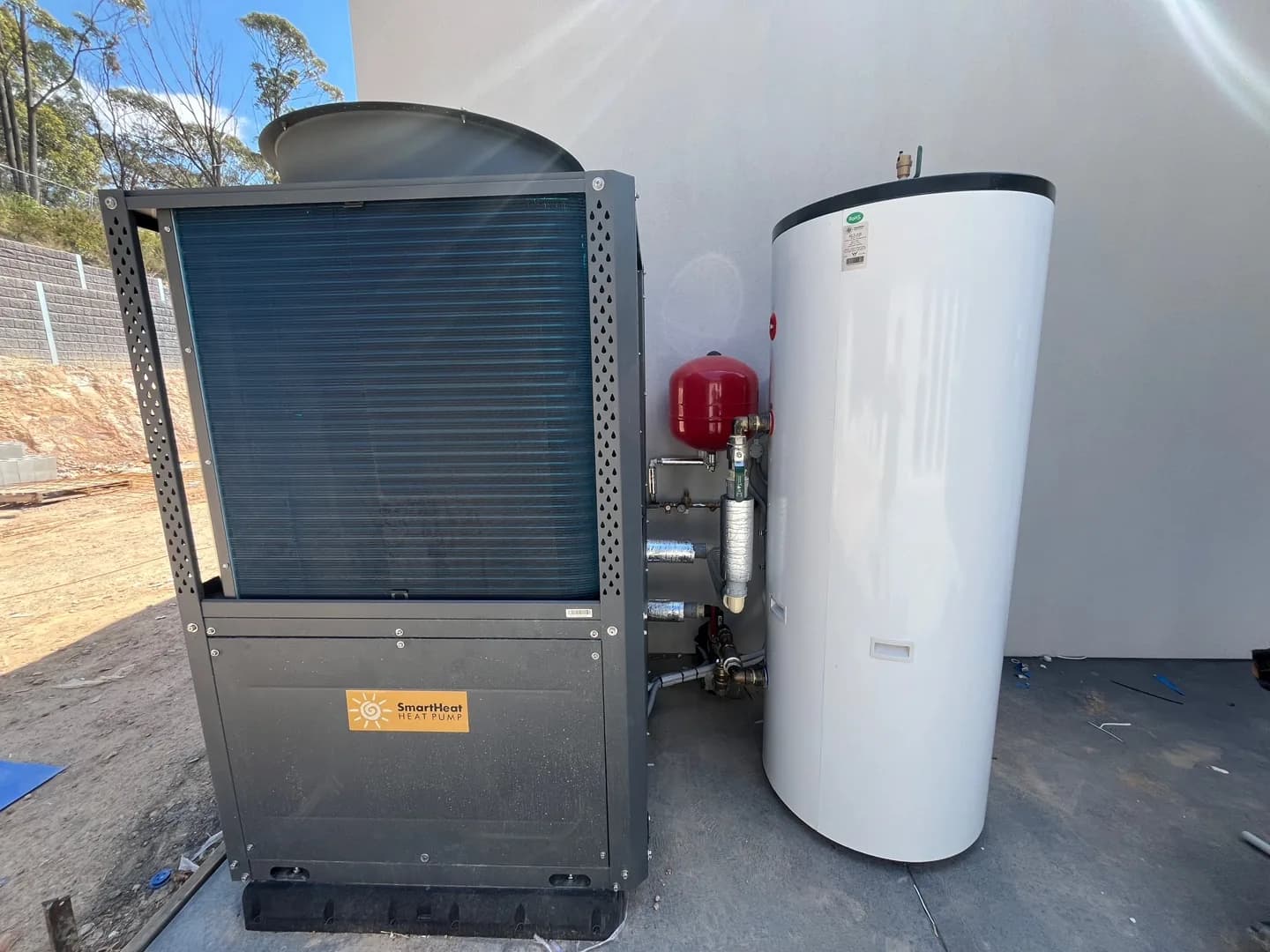
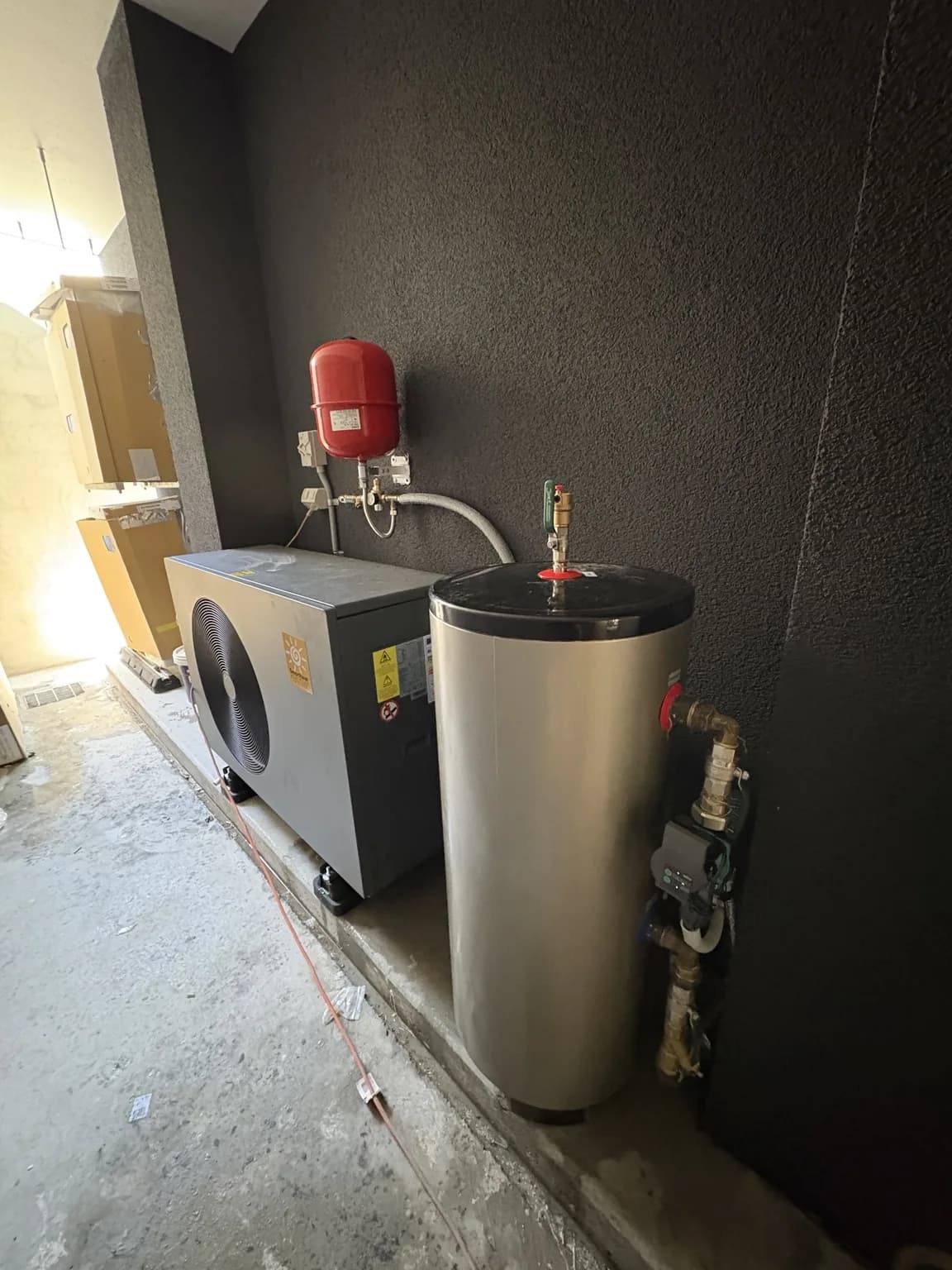
Air-to-water heat pumps selected for hydronic underfloor heating, radiators, hydronic cooling and larger heating loads.
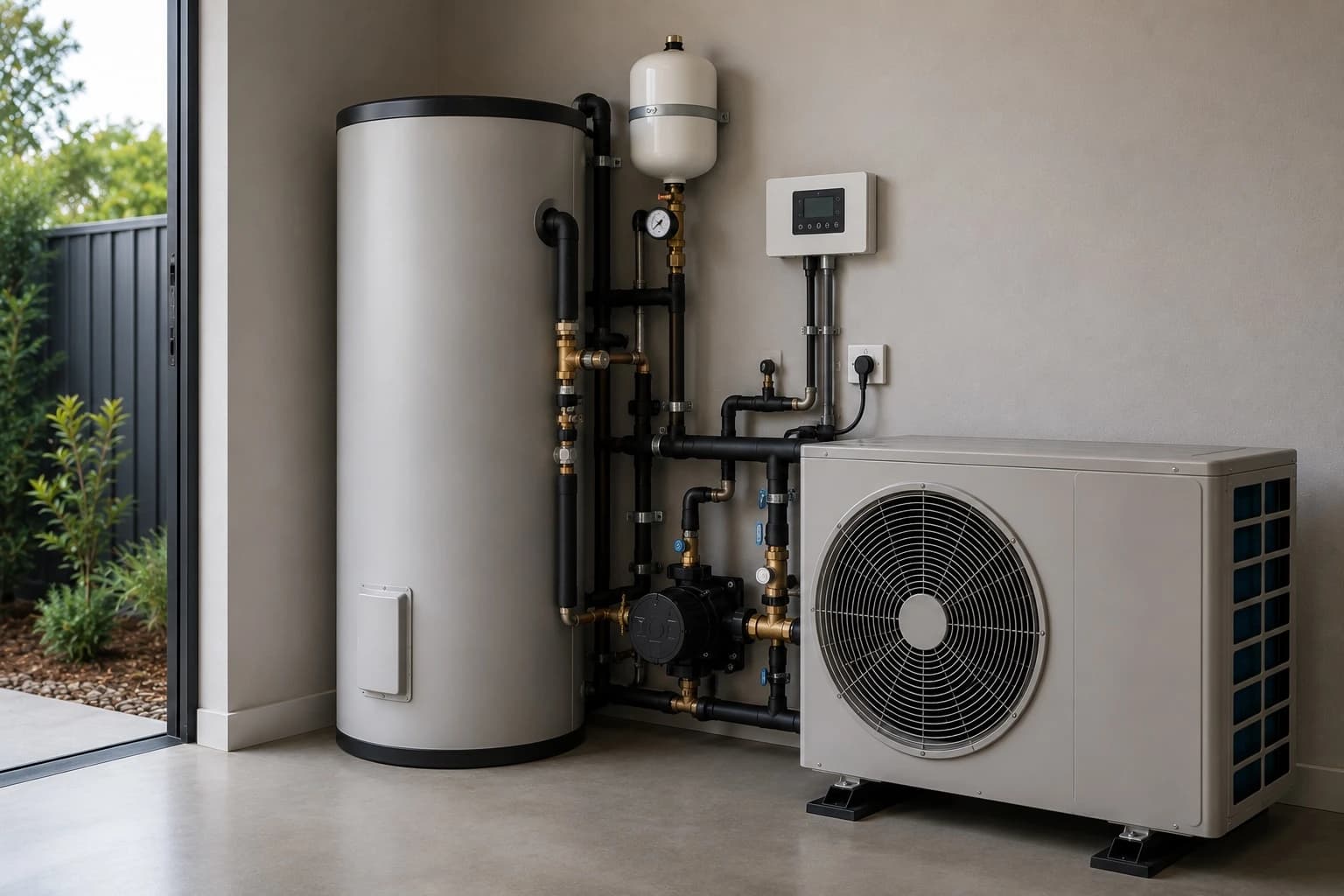
Heat pump hot water systems for homes and commercial buildings replacing or reducing reliance on gas or electric resistance heating.
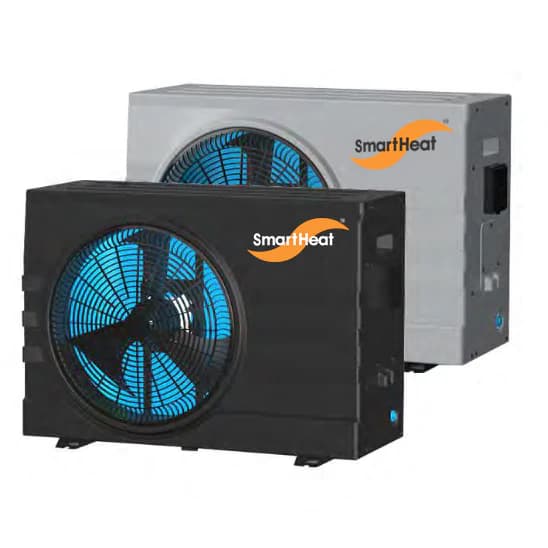
Pool heat pumps for residential pools, spas, commercial pools and aquatic facilities.
Design considerations
Heat pump selection should start with the application, required output temperature and calculated heating or water load.
COP
Coefficient of performance changes with source temperature, output temperature, load and operating conditions.
Seasonal
Seasonal efficiency considers how outdoor temperature and system demand change across the year rather than relying on one test condition.
Temperature
Hydronic floors, radiators, domestic hot water and pool heating can require different water temperature ranges.
Capacity
The heat pump should be selected for the calculated duty and expected operating conditions, not nominal capacity alone.
Power
Larger residential, hydronic and commercial systems may require three-phase power and early electrical coordination.
Controls
Heat pumps may require buffer tanks, storage cylinders, pumps, valves, sensors and controls matched to the wider system.
Location
Outdoor equipment placement affects airflow, noise, weather exposure, maintenance access and pipework routes.
Choose by application
| Heat pump type | Best suited to | Planning notes |
|---|---|---|
| Hydronic heat pumps | Hydronic underfloor heating, radiators, hydronic cooling and larger residential or commercial heating loads. | Required water temperature, climate range, heat emitters, buffer storage, controls and electrical supply need to be coordinated together. |
| Hot water heat pumps | Homes and commercial buildings replacing or reducing reliance on gas or electric resistance hot water systems. | Occupancy, daily hot water demand, storage size, recovery time, plant space and operating schedule shape the final selection. |
| Pool heat pumps | Residential pools, spas, commercial pools and aquatic facilities requiring efficient water heating. | Pool volume, exposure, target temperature, operating season, cover use and indoor humidity requirements affect capacity. |
Related systems
These pages connect heat pump selection to the heating system or water load the equipment will serve.
FAQ
A heat pump is equipment that moves heat from one place to another using a refrigeration cycle. Instead of generating all of its heat directly, it collects available heat from the air, ground or another source and transfers it into air or water.
A heat pump absorbs low-temperature heat through a refrigerant circuit. A compressor raises the refrigerant pressure and temperature before the captured heat is transferred into air or water for heating, hot water or pool applications.
Heat pumps can be grouped by their heat source and output. Air-source systems collect heat from outdoor air, while ground-source systems collect heat from the ground. Air-to-air systems condition indoor air, while air-to-water and ground-to-water systems transfer heat into water.
Start with the calculated heating or water load, then check the required water temperature, climate conditions, operating schedule, storage, controls and system losses. Equipment should be selected for the real operating duty rather than nominal brochure capacity alone.
Sometimes, but not always. Space heating and domestic hot water can require different water temperatures, storage arrangements, controls and operating priorities. The complete system must be designed around both loads.
Yes, when the equipment is selected for the local climate and required duty. Outdoor temperature affects available capacity, defrost operation and efficiency, so low-temperature performance should be reviewed during selection.
Both use a refrigeration cycle to move heat. Air conditioning commonly refers to air-to-air equipment used for space cooling and heating, while heat pumps can also transfer heat into water for hydronic heating, domestic hot water and pool heating.
Some larger hydronic and commercial heat pump systems require three-phase power. Electrical supply, starting current, plant location and maintenance access should be reviewed early in the project.
Cost depends on the heat pump type, output, storage, controls, electrical requirements, installation conditions and connection to the wider heating or hot water system. A project-specific assessment is required for an accurate price.
Projects
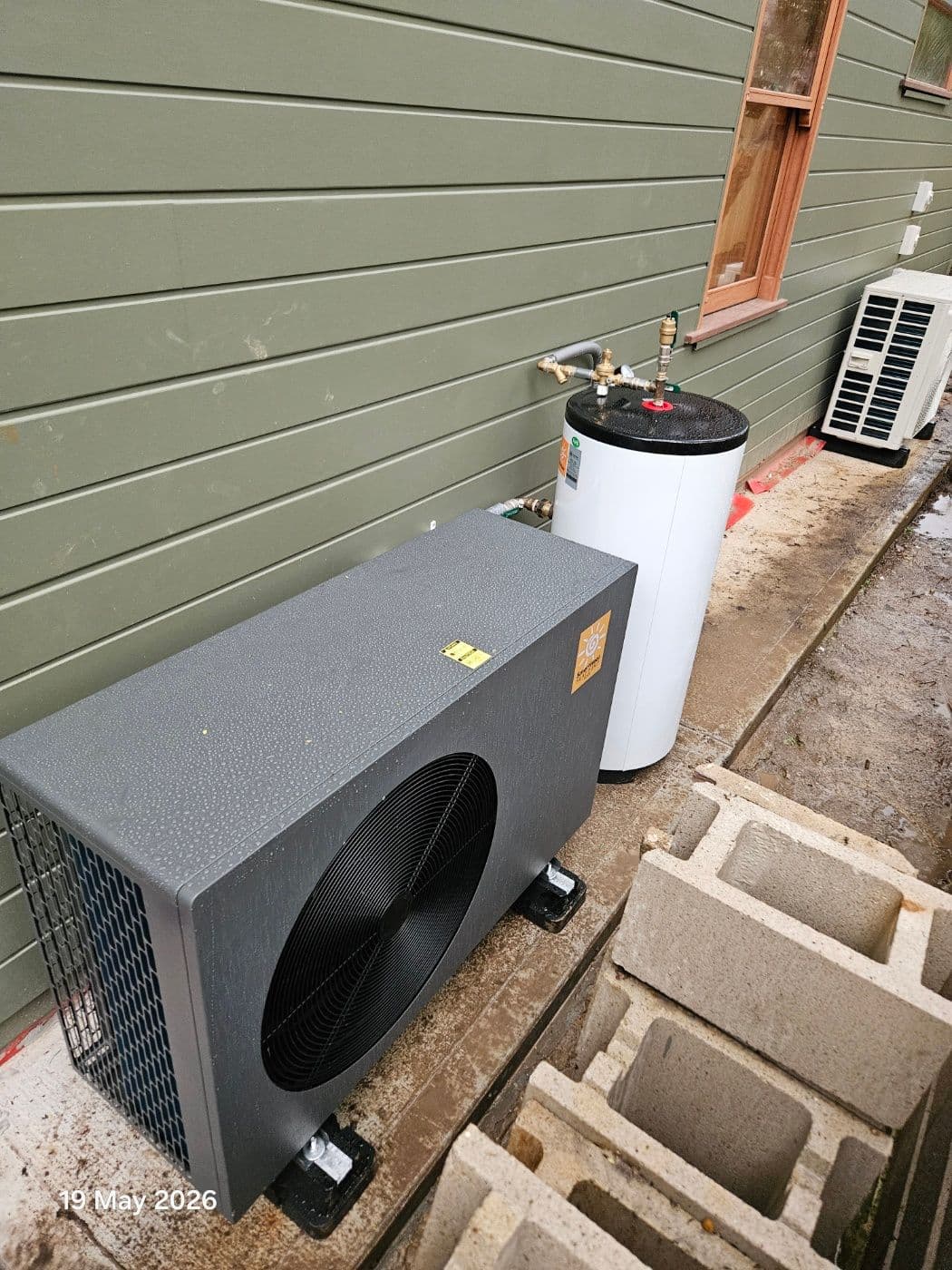
Gladesville, Northern Sydney, NSW
Heat Pump Installation - Residential Models
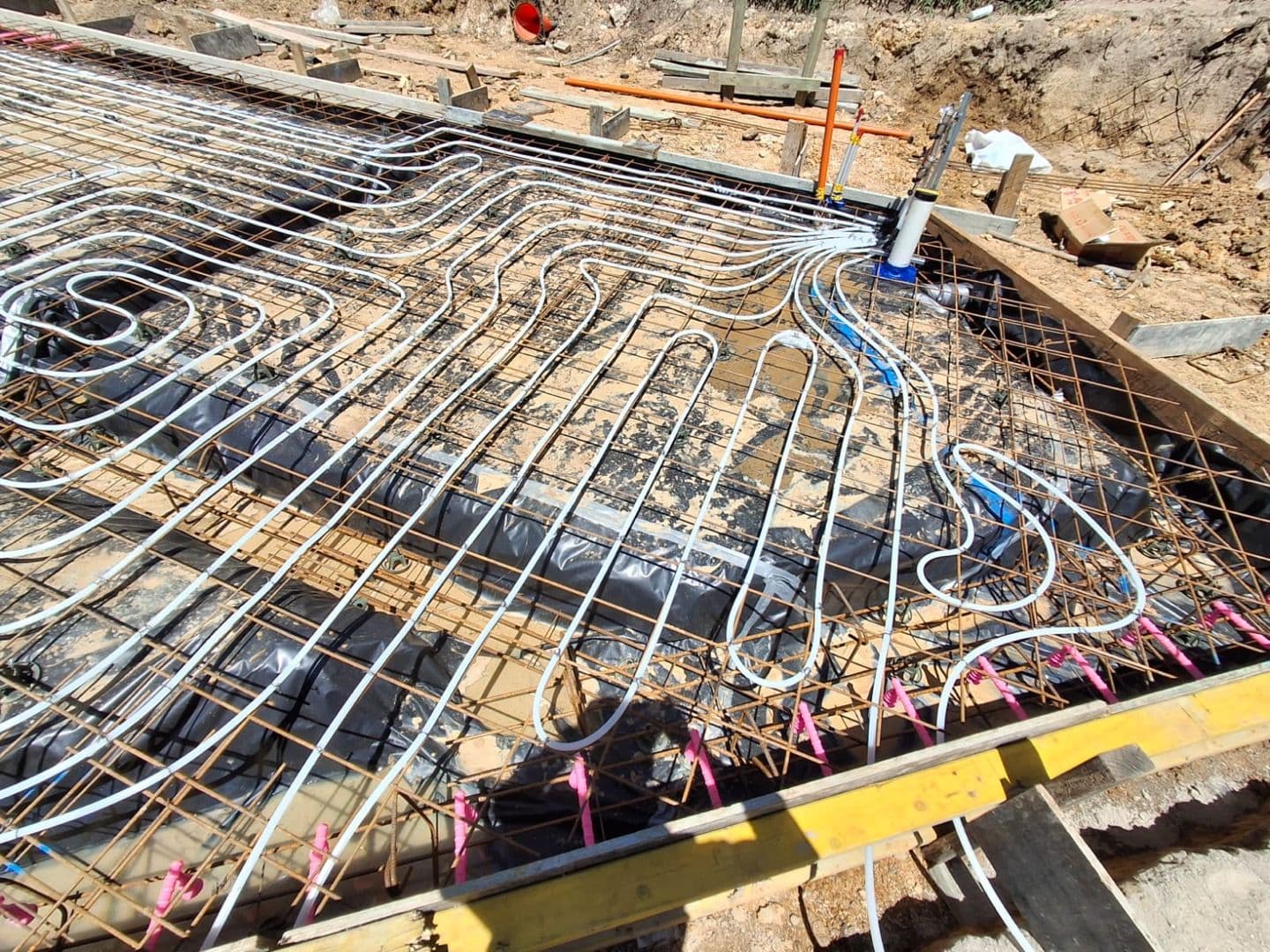
Gladesville, Northern Sydney, NSW
Hydronic Underfloor Heating - In-Slab · Heat Pump Installation - Residential Models · Electric Underfloor Heating - Heating Mat
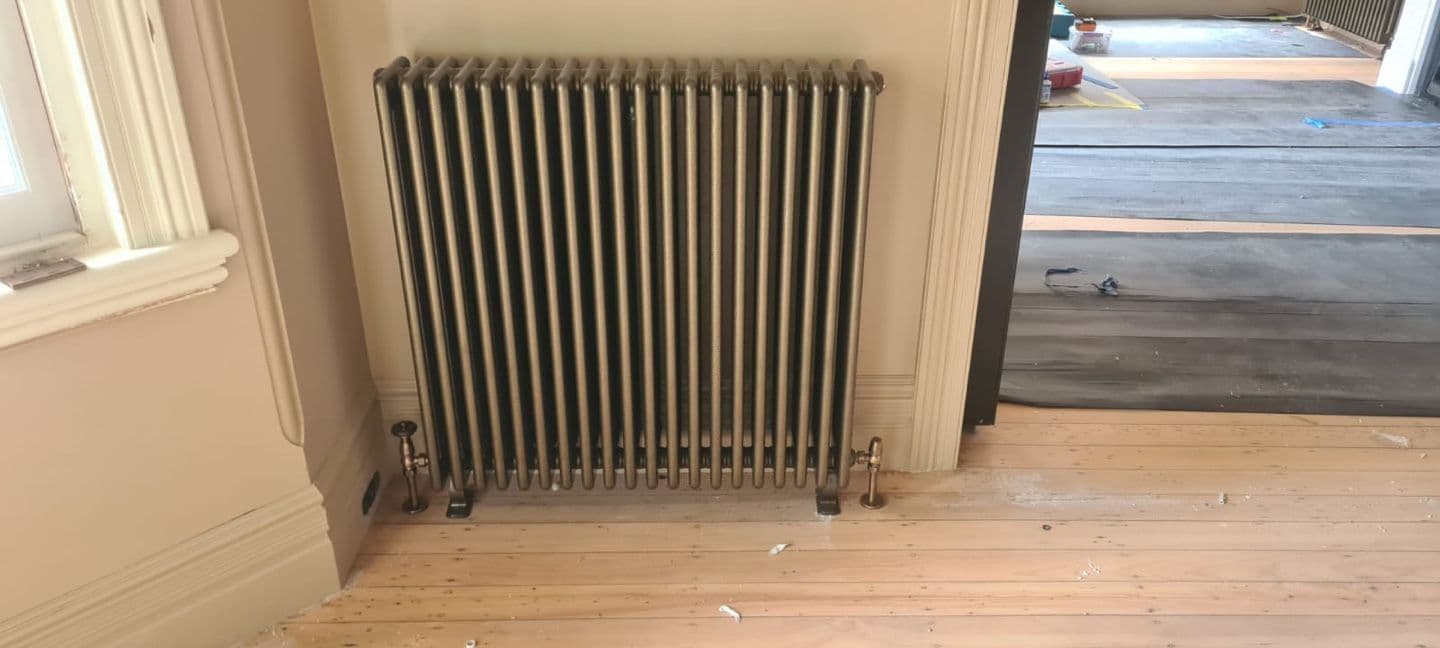
Darling Point, Eastern Suburbs, NSW
Hydronic Radiators · Heat Pump Installation - Residential Models · Hydronic Underfloor Heating - In-Slab · Electric Underfloor Heating
Select the right heat source
Share your project type, heating or hot water load, operating requirements and available plant space. SmartHeat can help match the heat pump to the wider system.
Need full delivery support?
Review SmartHeat's design, supply and installation service for complete project coordination.
Design, Supply & Installation