
Comfort
Responsive room heating
Radiators deliver useful heat directly into occupied rooms and can be zoned to suit daily use, room size and comfort expectations.
Hydronic heating
Hydronic radiators and heated towel rails for Sydney and NSW projects, sized around room loads, wall space, interior finishes and the wider hydronic system.
Room-by-room hydronic comfort
Radiators and heated towel rails
Suitable for new builds and retrofits
Designed around heat source and output
How it works
Hydronic radiator and towel rail systems use warm water from a central heat source to feed room emitters. The radiators transfer heat into living spaces, bedrooms or circulation areas, while towel rails can add comfort and function in bathrooms.
The system is designed around room heat loads, available wall space, preferred product style, pipe routes and the selected heat source. When each emitter is sized correctly, radiators provide responsive comfort without needing to alter the whole floor structure.
Benefits
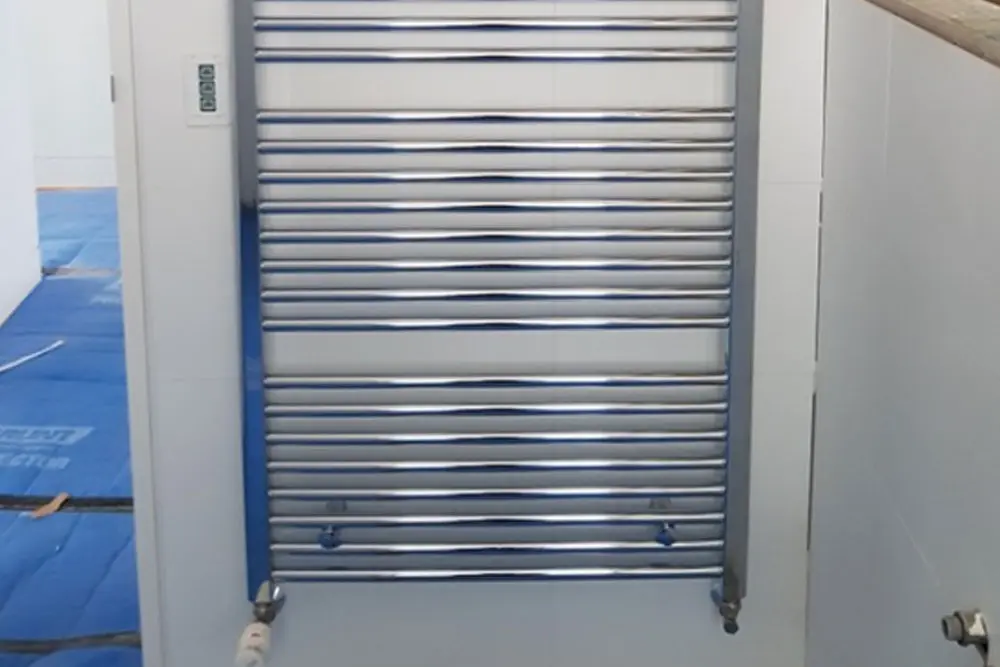
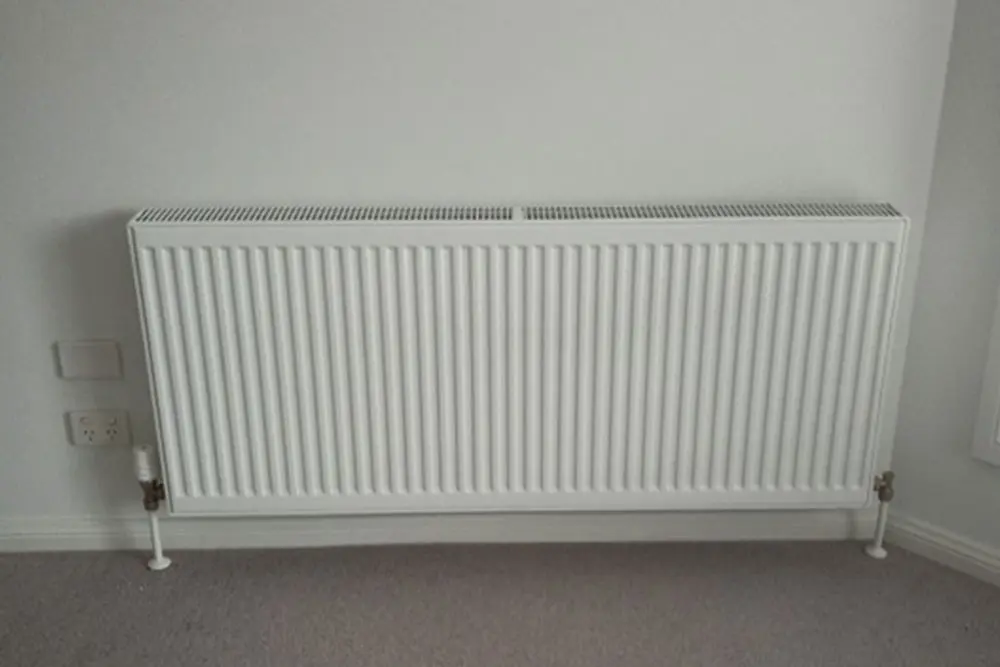
Hydronic radiators and towel rails are selected as visible heat emitters, so performance, placement, finish and room-by-room control all need to be considered together.
Comfort
Radiators deliver useful heat directly into occupied rooms and can be zoned to suit daily use, room size and comfort expectations.
Design
Panel radiators and towel rails can provide a clean, space-conscious heating solution where underfloor heating is not practical or not required.
Bathrooms
Hydronic towel rails can be incorporated into the wider heating system to add bathroom comfort and practical towel warming.
Efficiency
Correctly sized emitters help transfer heat efficiently from the hydronic circuit into each room without relying on strong air movement.
Durability
Product selection should account for coating quality, finish durability and long-term corrosion resistance in the intended environment.
Retrofit
Radiator systems can suit renovations, additions and buildings where floor build-up or slab access makes underfloor heating difficult.
Design and installation
Radiator performance depends on accurate room sizing, product selection, pipe routing, controls and heat source compatibility.
We review room size, glazing, insulation, ceiling height, heat losses and available wall locations.
Radiators and towel rails are selected for heat output, size, finish, placement and project style.
Pipe routes, manifolds, valves and controls are coordinated with the build or renovation scope.
The system is connected to the hydronic heat source, tested, balanced and commissioned for use.
Technical planning
Radiators are visible system components, but the real performance comes from matching heat output, water temperature, controls and pipework to the building.
Suitable projects
FAQ
Warm water is circulated from a central heat source through radiator panels or towel rails. Each emitter transfers heat into the room and returns cooler water to be reheated.
Yes. Hydronic heated towel rails can be integrated into a wider hydronic system when the pipework, controls and output are designed for the bathroom layout.
They can be a strong option for renovations because they do not require heating pipework throughout the floor build-up, although pipe routes and heat source location still need planning.
Radiator and towel rail systems can be paired with boilers, air-to-water heat pumps and other hydronic heat sources when flow temperatures and emitter sizing are coordinated.
Projects
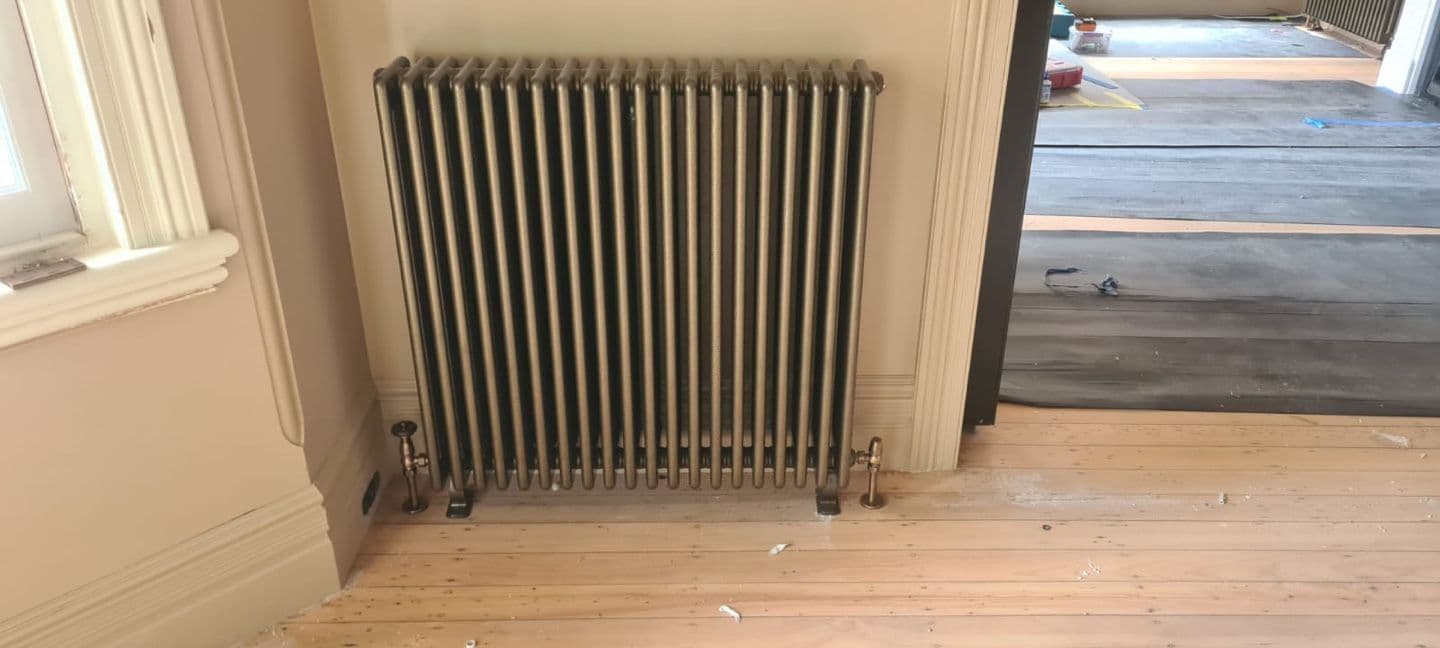
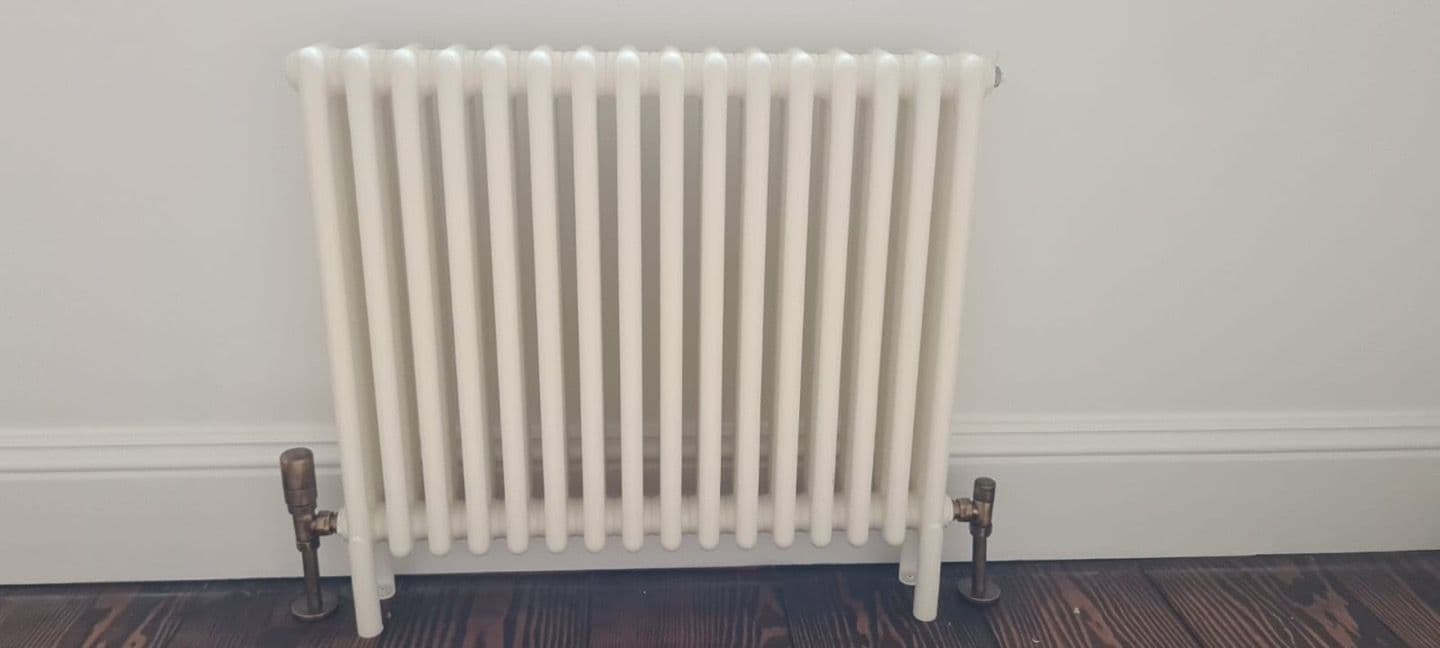
Darling Point, Eastern Suburbs, NSW
Hydronic Radiators
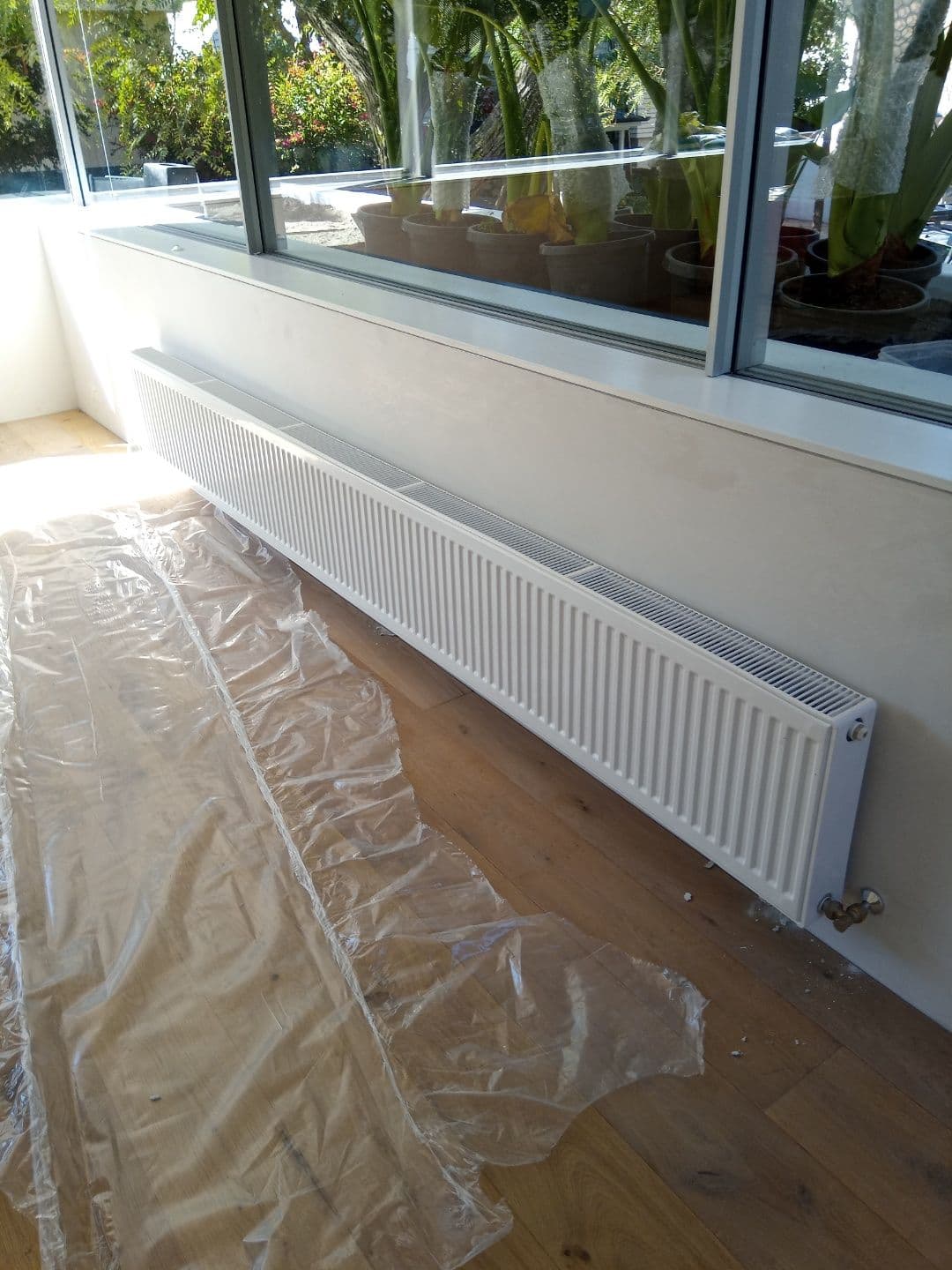
Potts Point, Eastern Suburbs, NSW
Hydronic Radiators
Watsons Bay, Eastern Suburbs, NSW
Hydronic Radiators
Size the emitters properly
Share your floor plans, room sizes and preferred finishes. SmartHeat can recommend radiator and towel rail options for the project.
Need full delivery support?
Review SmartHeat's design, supply and installation service for complete project coordination.
Design, Supply & Installation