Source
Match the energy source to the site
Solar exposure, ground conditions or biomass fuel access shape what is practical.
Renewable heating
Renewable heating options for Sydney and NSW projects, including solar, geothermal and biomass heat sources with integrated system design.
Solar, geothermal and biomass options
Hydronic and hot water integration
Heat source comparison
Design, supply and installation guidance
Renewable heat sources
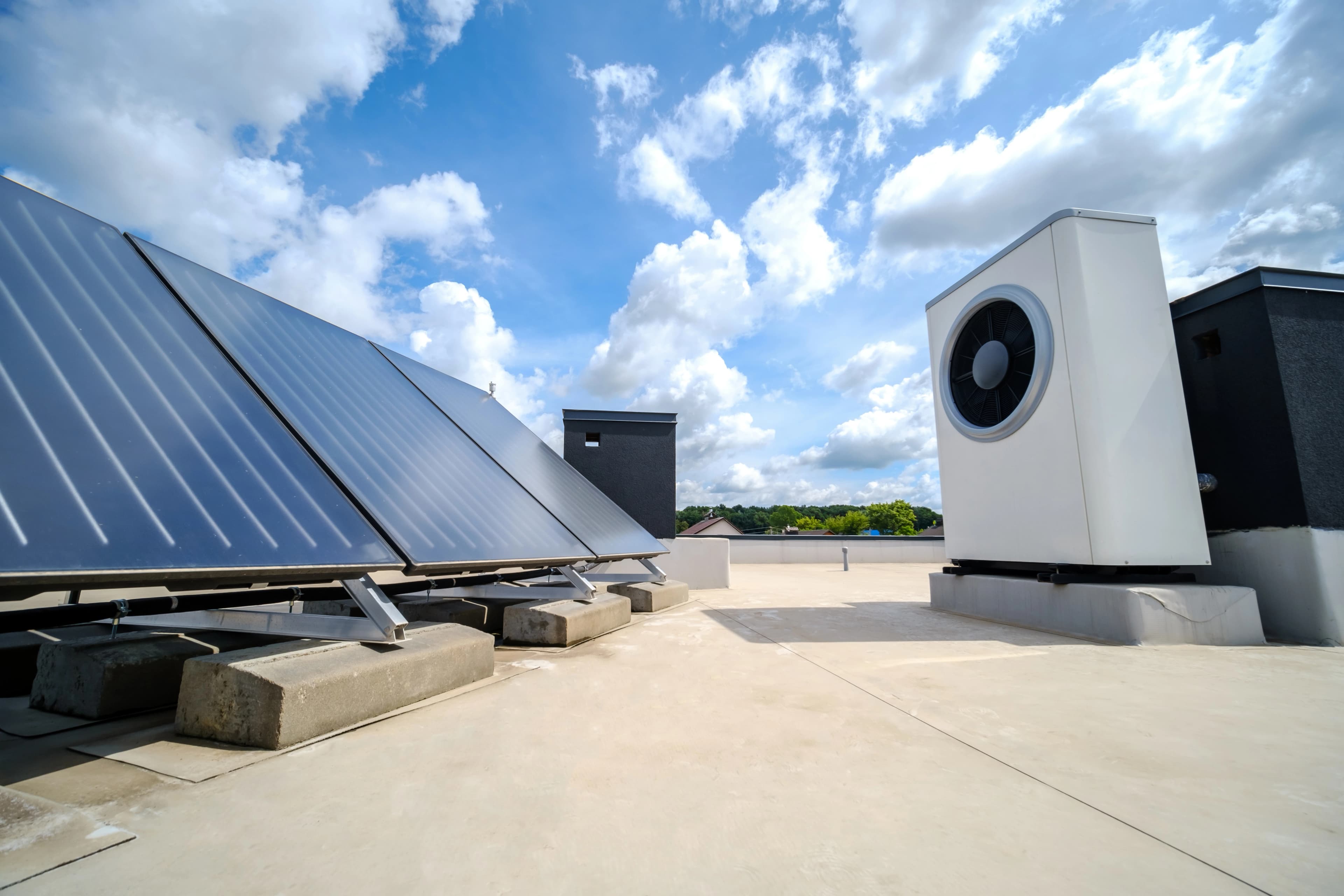
Solar, geothermal or biomass sources can be used depending on the site, project load and preferred energy strategy.
The decision starts with the renewable source, then moves into storage, controls and heat delivery design around the project load.
Renewable heat sources
Start with the renewable source, then review the detail page for design considerations and project fit.
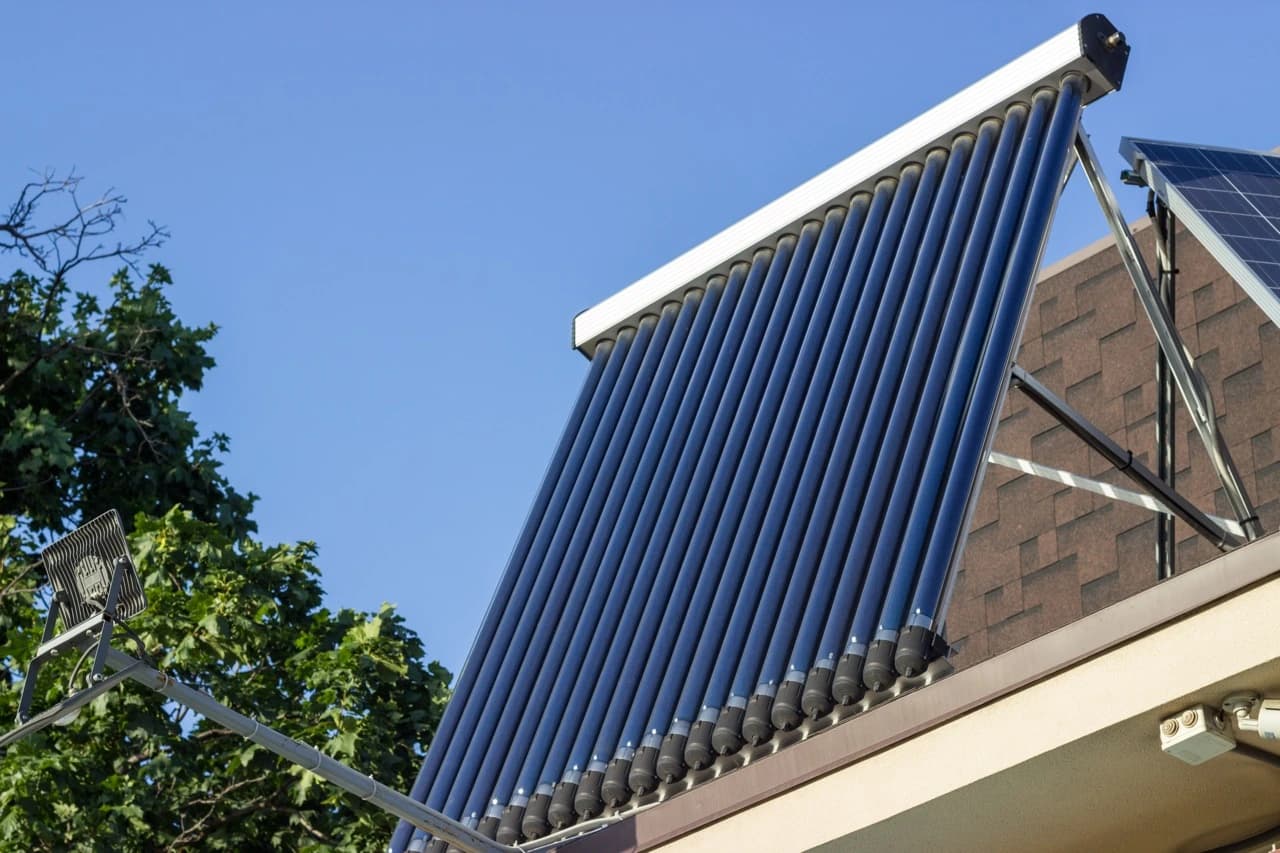
Evacuated tube solar hot water and solar heating support for homes, pools and selected hydronic projects.
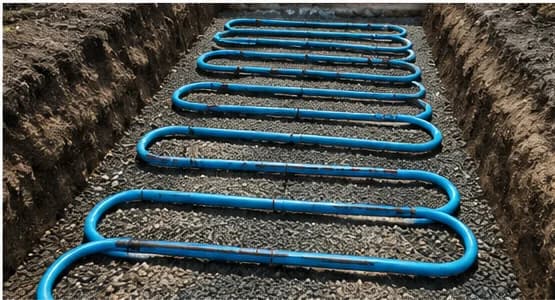
Ground-source heating, cooling and hot water systems based on stable underground temperatures.
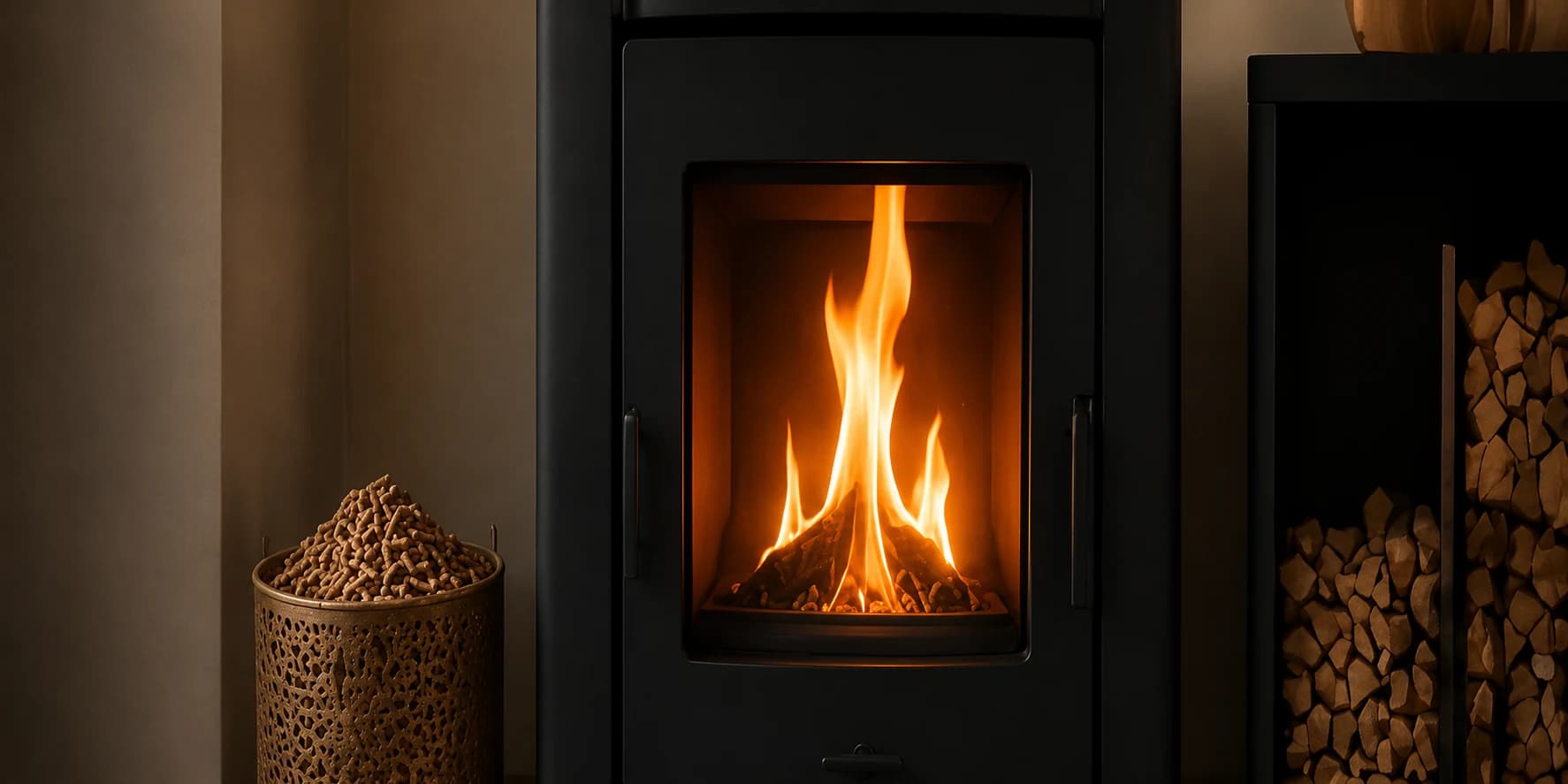
Wood, pellet and biomass boiler systems that can support heating and domestic hot water loads.
Design considerations
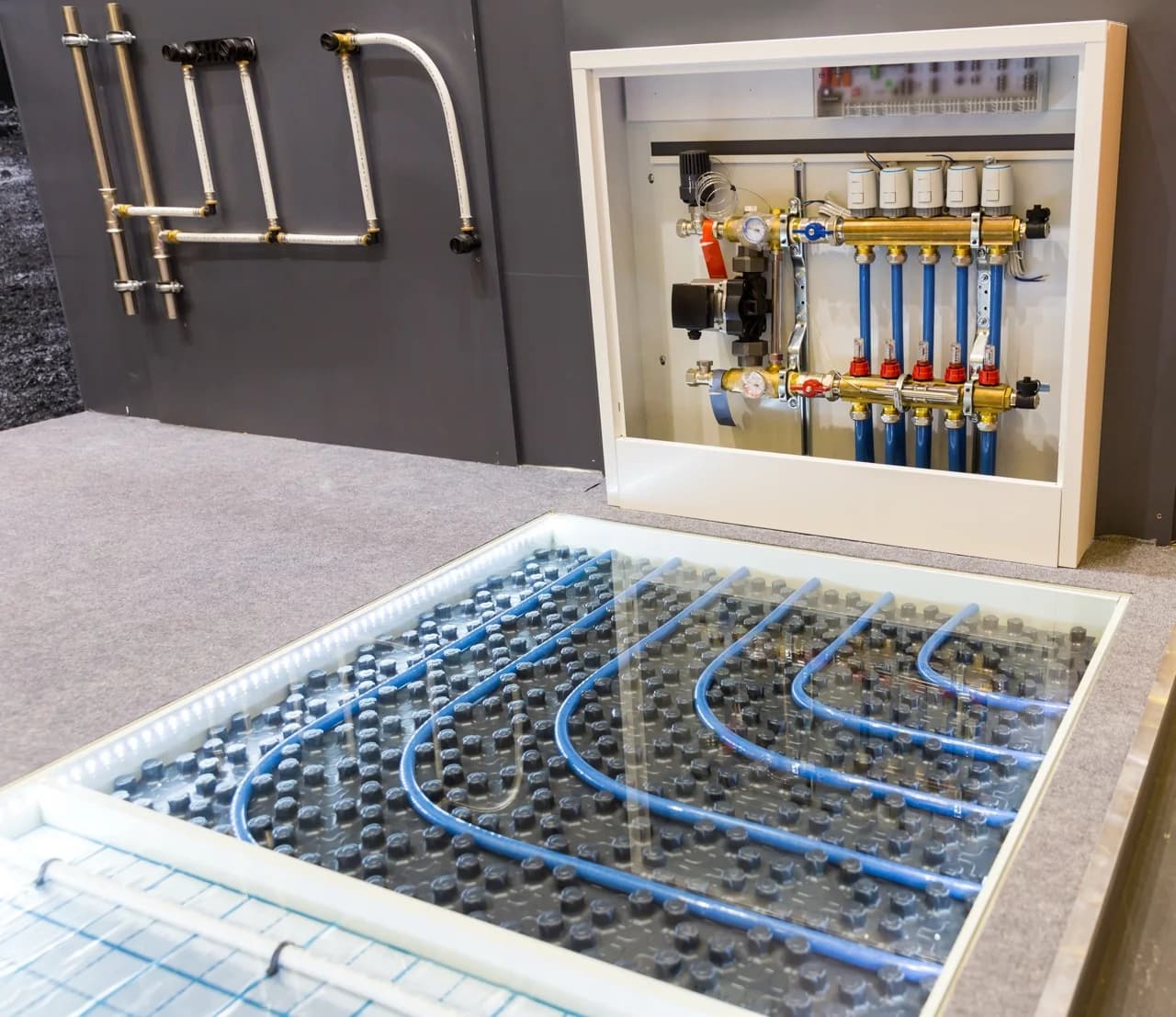
Design the energy source, storage, emitters and controls together so their temperatures, capacities and operating sequence are compatible.
Source
Solar exposure, ground conditions or biomass fuel access shape what is practical.
Load
Domestic hot water, pool heating, space heating and commercial loads need different strategies.
Storage
Tanks, buffers and thermal storage can be critical for renewable heat source performance.
Backup
Solar and biomass systems may need backup, boosting or hybrid arrangements depending on demand.
Controls
Controls help decide when the renewable source, backup source or storage should operate.
Integration
Hydronic emitters, hot water storage and pool systems need compatible temperatures and hydraulics.
Renewable options
| Renewable source | Best suited to | Planning notes |
|---|---|---|
| Solar heating | Domestic hot water, pool/spa support and projects wanting solar contribution to heating loads. | Household usage, roof pitch, collector orientation, storage and boosting strategy need review. |
| Geothermal | Heating, cooling and hot water projects where ground-source energy can be integrated. | Ground loop feasibility, site conditions and system integration are early design questions. |
| Biomass | Projects considering wood, pellet or boiler systems for heating and hot water loads. | Fuel supply, storage, emissions, flue design and hydronic integration need project-specific review. |
Related systems
These system pages help connect renewable heat sources to the load they may serve.
FAQ
SmartHeat supports solar, geothermal and biomass options, each with different source, storage and system integration requirements.
Yes. Lower-carbon heat sources can support hydronic or hot water systems when the temperature, storage and controls are properly designed.
It depends on site conditions, load type, energy availability, plant space, maintenance expectations and whether the project needs heating, cooling or hot water.
Yes. Roof area, plant space, ground works, storage, fuel access and system controls can all affect feasibility.
Projects
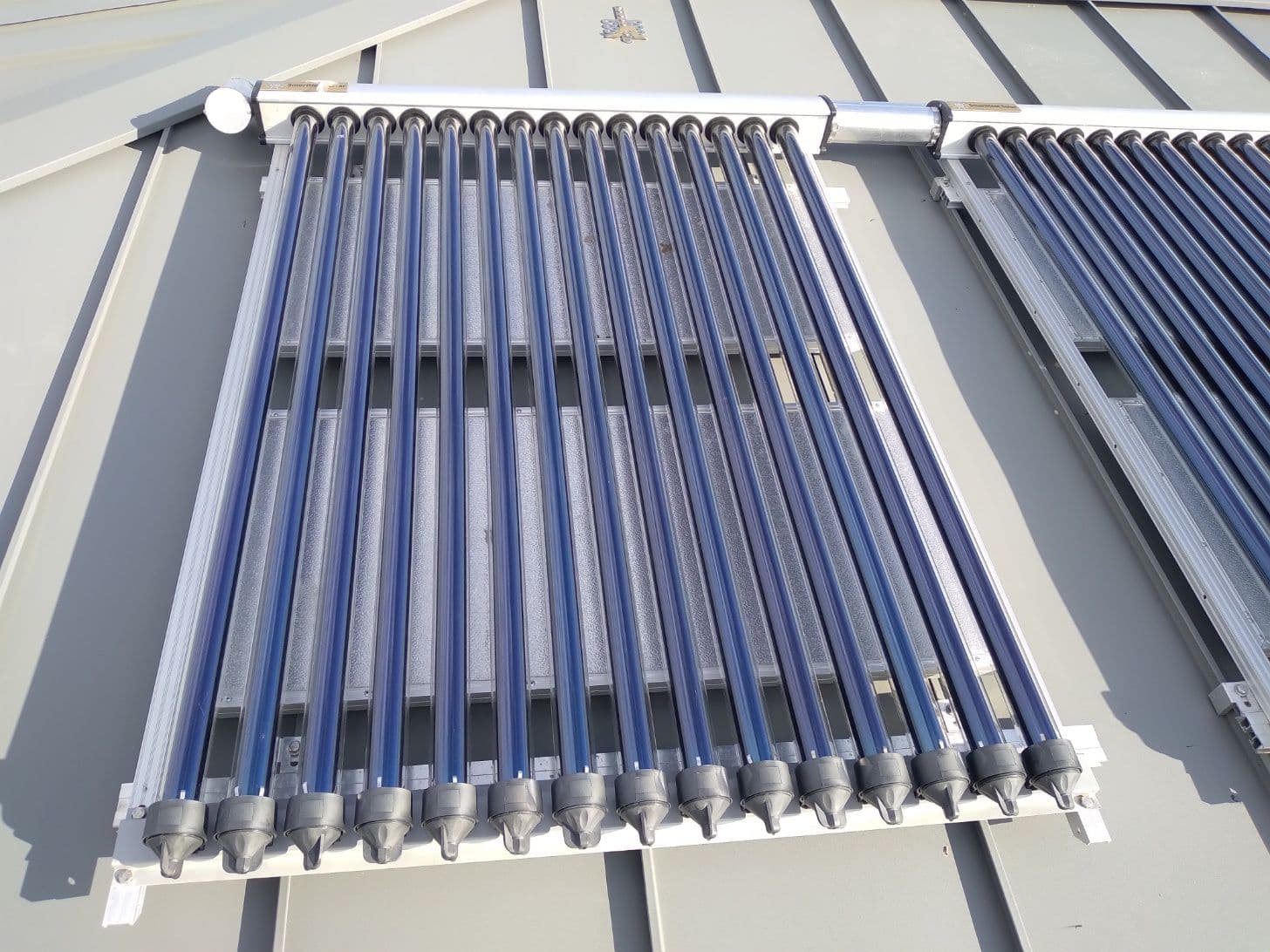
Collaroy, Northern Beaches, NSW
Solar Combi System
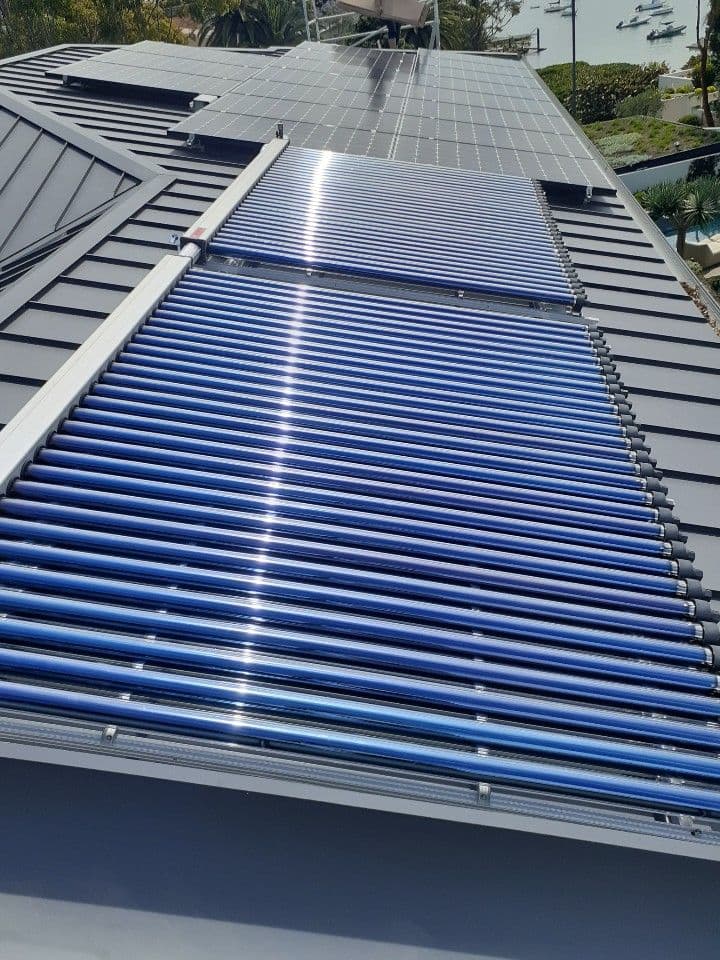
Vaucluse, Eastern Suburbs, NSW
Solar Combi System
Compare renewable sources
Share the project type, heating loads and site constraints so SmartHeat can help compare renewable heat sources.
Need full delivery support?
Review SmartHeat's design, supply and installation service for complete project coordination.
Design, Supply & Installation