
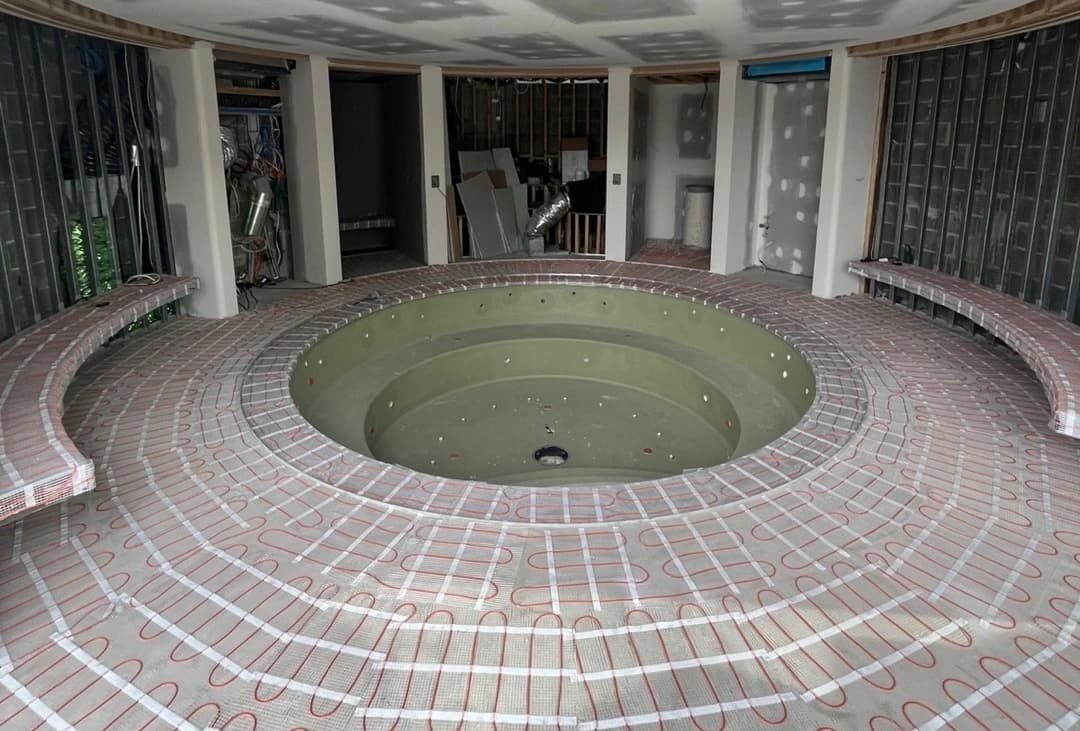
Electric underfloor heating mat prepared below a finished floor

Under-tile heating

Under-Tile Heating

Under-tile heating for Sydney and NSW bathrooms, laundries, kitchens and living areas, using electric mats below tile and stone floors.

Targeted room-by-room floor heating

Electric heating designed for tile and stone floors

Retrofit-friendly low-profile options

Thermostat and floor sensor control

Tile and stone floors

A practical way to warm compact tiled rooms.

Under-tile heating is one of the most common electric underfloor heating applications because tile and stone transfer heat well and are often used in smaller rooms.

It is especially useful in bathrooms, laundries and kitchens where quick, targeted floor warmth can make the room feel more comfortable without heating the whole home.

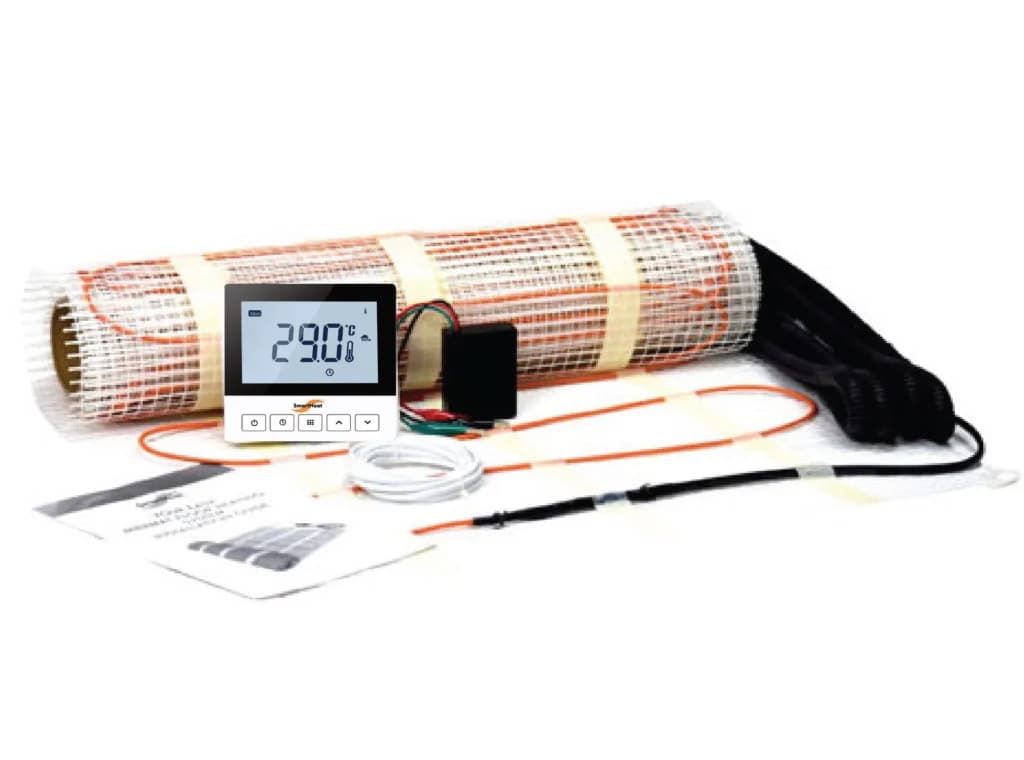
SmartHeat electric underfloor heating MINIMAT kit with thermostat and heating mat
The MINIMAT kit includes the heating mat and control components for compact retrofit floor heating projects.
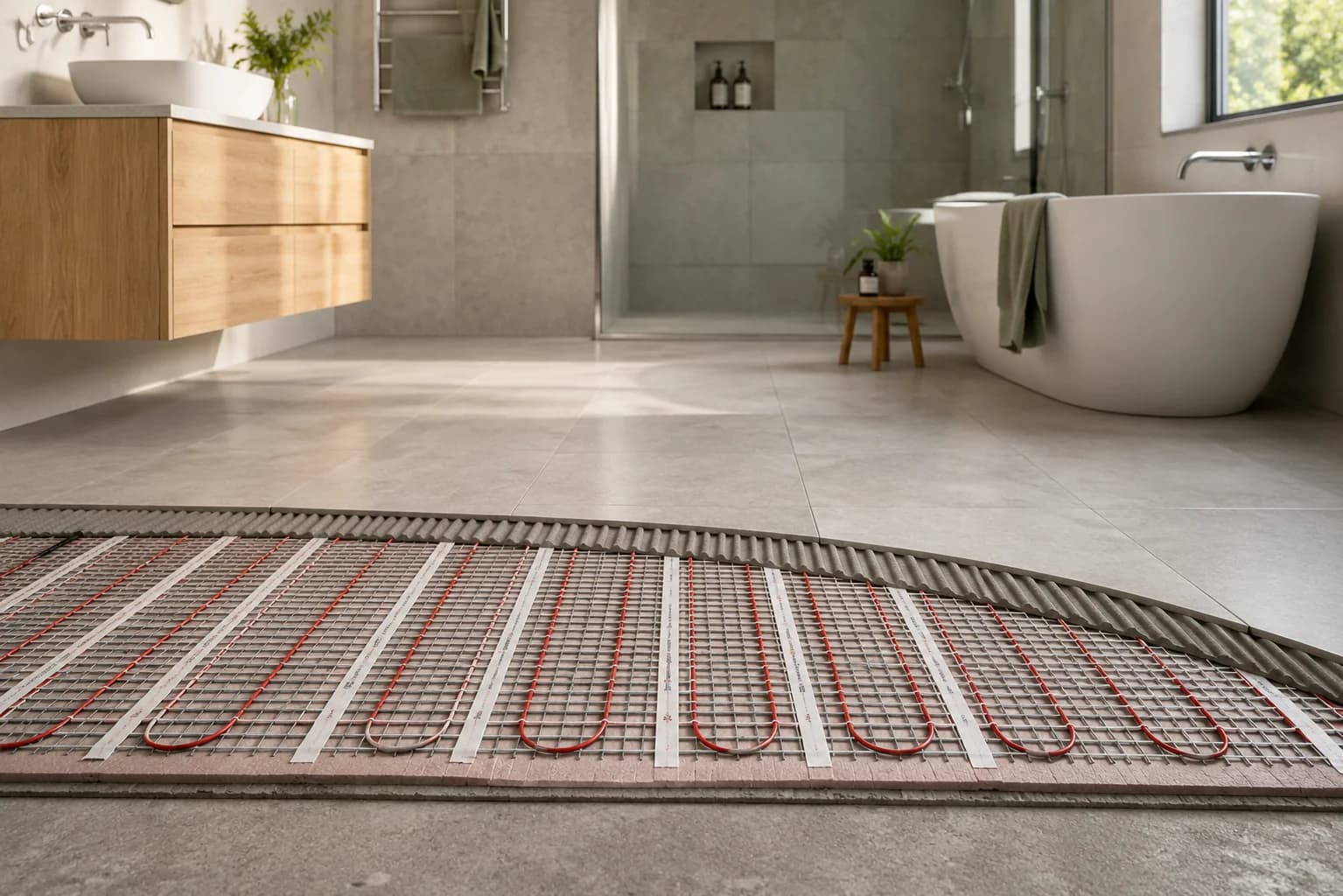
Electric underfloor heating mat shown below a finished living room floor
Electric underfloor heating can add targeted comfort below finished floors in living areas and wet rooms.

Product videos

Explore under-tile heating kits and controls.

See the MINIMAT kit and thermostat control features used in compact electric floor heating projects.

Electric Underfloor Heating Minimat Kit

This MINIMAT system makes it easy to retro fit it over existing solid floors. The system options available are so easy to install, there is a DIY option. It is an economical way to add that touch of luxury to your bathroom and kitchen floors.
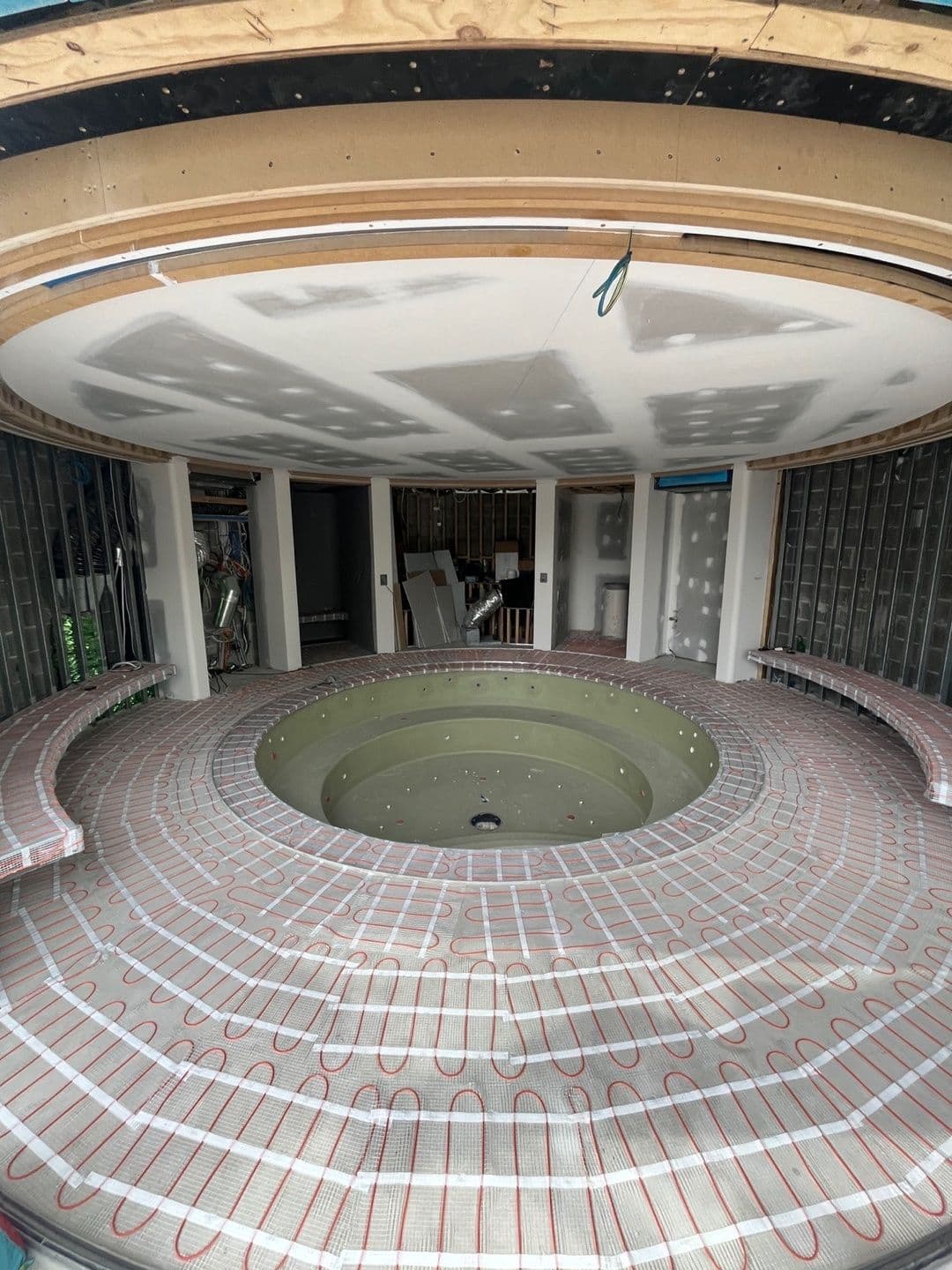
Electric Floor Heating Controls Overview

Smartheat Thermorstat - It's convenient to control your thermostat with your voice and it allows you control by mobile app anytime or anywhere you are.

Under-tile benefits

Fast floor warmth below tile and stone finishes.

Under-tile electric heating places a low-profile heating mat below tile or stone floors for responsive comfort in smaller rooms.

Bathrooms

Warm floors in wet areas

Bathrooms and laundries are strong candidates because tile surface temperature is felt immediately.

Kitchens

Comfort in high-use rooms

Kitchen floor heating can add targeted warmth without changing the wider heating system.

Low profile

Useful for renovations

Heating mats can fit into compact floor build-ups when levels and waterproofing are coordinated.

Control

Timed warmth when needed

A thermostat and floor sensor can bring warmth on before morning or evening use.

Project flow

Planned around the tile set-out and heated area.

Under-tile heating should be coordinated before tiling begins so the heating mat, waterproofing, sensor and electrical connection are compatible.

  1. 01

    Confirm the room and finish

    Review the heated area, floor finish, floor build-up and project stage.

  2. 02

    Select the heating layer

    Match the electric heating product to the usable floor area and installation method.

  3. 03

    Coordinate controls

    Plan thermostat position, floor sensor routing and electrical connection requirements.

  4. 04

    Install and test

    Install below the finished floor system and complete electrical testing before handover.

Technical planning

Under-tile systems depend on the floor build-up.

The heating mat, adhesive layer, waterproofing, tile finish, sensor and electrical connection need to be compatible.

Heated area
Size the mat to the usable floor area, not the full room footprint.
Wet areas
Waterproofing and electrical requirements should be coordinated before installation.
Floor sensor
A floor sensor helps regulate the floor surface temperature and protect the finish.
Testing
Electrical testing should be completed at the required stages before the floor is finished.

Best suited to

Where under-tile heating makes sense.

  • Bathrooms and ensuites
  • Laundries and wet areas
  • Kitchens and tiled living areas
  • Small renovation zones
  • Apartments and homes needing targeted comfort
  • Tile and stone floor finishes

FAQ

Common under-tile heating questions.

Where is under-tile heating most common?

It is commonly used in bathrooms, laundries, kitchens and tiled living areas where floor warmth is noticeable.

Can it be used in wet areas?

Yes, but waterproofing, floor sensor position, heated area and electrical requirements need to be coordinated with the installation method.

Does furniture affect the heated area?

Yes. Heating mats should normally avoid fixed cabinetry, vanities, wastes and permanent fixtures.

Projects

Projects using under-tile heating

View All Projects

Plan the floor build-up

Need under-tile heating for a bathroom, laundry or kitchen?

Share the room size, floor finish and project stage so the electric heating pathway can be reviewed.

Need full delivery support?

Review SmartHeat's design, supply and installation service for complete project coordination.

Design, Supply & Installation

Send your details.