
Evacuated tube solar hot water works by collecting heat from sunlight and transferring it to water in a storage tank. Electric or gas backup heating adds heat when sunshine cannot meet the household’s needs. [4]
The main benefits
Less reliance on gas or electricity. Solar heat can reduce the energy your backup heater needs to provide. Backup remains part of the system for cloudy periods, winter conditions and higher demand. [4]
More of the collected heat retained. A vacuum helps insulate the tubes, reducing heat loss to the surrounding air. This helps the collector hold onto useful heat after sunlight has warmed the absorber. [5]
Solar heat stored for later. An insulated tank holds hot water for use beyond the hours of sunshine. The tank should suit the household’s routine, rather than being chosen from collector size alone. [3]
From sunlight to hot water: three main steps
1. Collect solar heat
The tubes absorb sunlight. The vacuum in each tube acts as insulation, helping reduce heat loss.
2. Heat and store water
Collected heat passes to the hot water system. An insulated tank stores hot water for later use.
3. Add backup heat
An electric or gas heater adds heat when solar input is low or hot water demand is high.
The way heat moves from the tubes to the tank depends on the equipment. The selected system determines its pipework and controls. [5]
The main parts of the system
Evacuated tube collectors
The roof-mounted collector receives sunlight. An absorber captures the heat, which then passes into the water-heating system. Some products use heat pipes and a manifold; the selected equipment determines the transfer method and connections. [5]
Storage tank
The tank holds heated water until it is needed. Its capacity should reflect household use and busy periods. A roof-mounted tank adds its filled weight to the roof. A ground-level tank changes the pipe routes and access arrangements. [2] [3]
Electric or gas backup heater
The backup heater adds heat when solar input is not enough. Include its capacity and controls in the initial proposal. It needs to cover household demand during periods when the weather provides less solar heat. [4]
Pipework and controls
Pumped systems use temperature sensors and a controller to run circulation when useful solar heat is available. Other designs circulate without a pump. Confirm the arrangement for the selected equipment and allow for insulated pipework. [2]
Why good design makes a difference
Two homes with similar collectors can need different amounts of backup heat. A household using hot water before sunrise draws on heat stored overnight. Another may use more after a day of solar heating. Storage, heat losses and backup timing need to suit that routine. [1]
Ask for a proposal that identifies the collector model, tank, backup heater and controls together. Any estimate of solar contribution or running cost should state the household use and site conditions assumed, so you can compare proposals on the same basis.
Five checks before installation
1. A suitable roof. Check sunlight, shade, roof direction and mounting space. If the tank will sit on the roof, consider its filled weight. [2] [3]
2. The right tank size. Match storage to household use, including showers and other busy periods. [3]
3. Space and pipework. Allow room for the tank and maintenance. Plan practical, insulated pipe routes to limit heat loss. [2] [3]
4. Backup heating. Choose electric or gas backup for cloudy weather and higher demand. Winter conditions affect how often it runs. [4]
5. Local conditions and trades. Check frost protection where needed and tank suitability for local water quality. Arrange licensed plumbing and electrical work. [1] [2] [3]
Frequently asked questions
Common questions
Will I still need backup heating?
Are evacuated tubes always better than flat-plate collectors?
No. Solar Victoria says evacuated tubes tend to perform better in cooler months in colder climates. In warmer climates, both types can work well. Choose for the site and household needs. [2]
Why SmartHeat?
SmartHeat plans solar hot water around household use, roof conditions, storage and backup heating, with support across Sydney and NSW.
Its published Collaroy and Vaucluse solar combi projects show evacuated tube collectors integrated with domestic hot water and hydronic heating. The descriptions include thermal storage and auxiliary heating alongside the solar input.
Both projects record system design, collector supply and installation, hot water and hydronic integration, testing and commissioning. This provides local examples of the coordination involved. For your project, ask which design, supply, installation and handover tasks are included in the proposed scope.
Projects
SmartHeat solar project examples
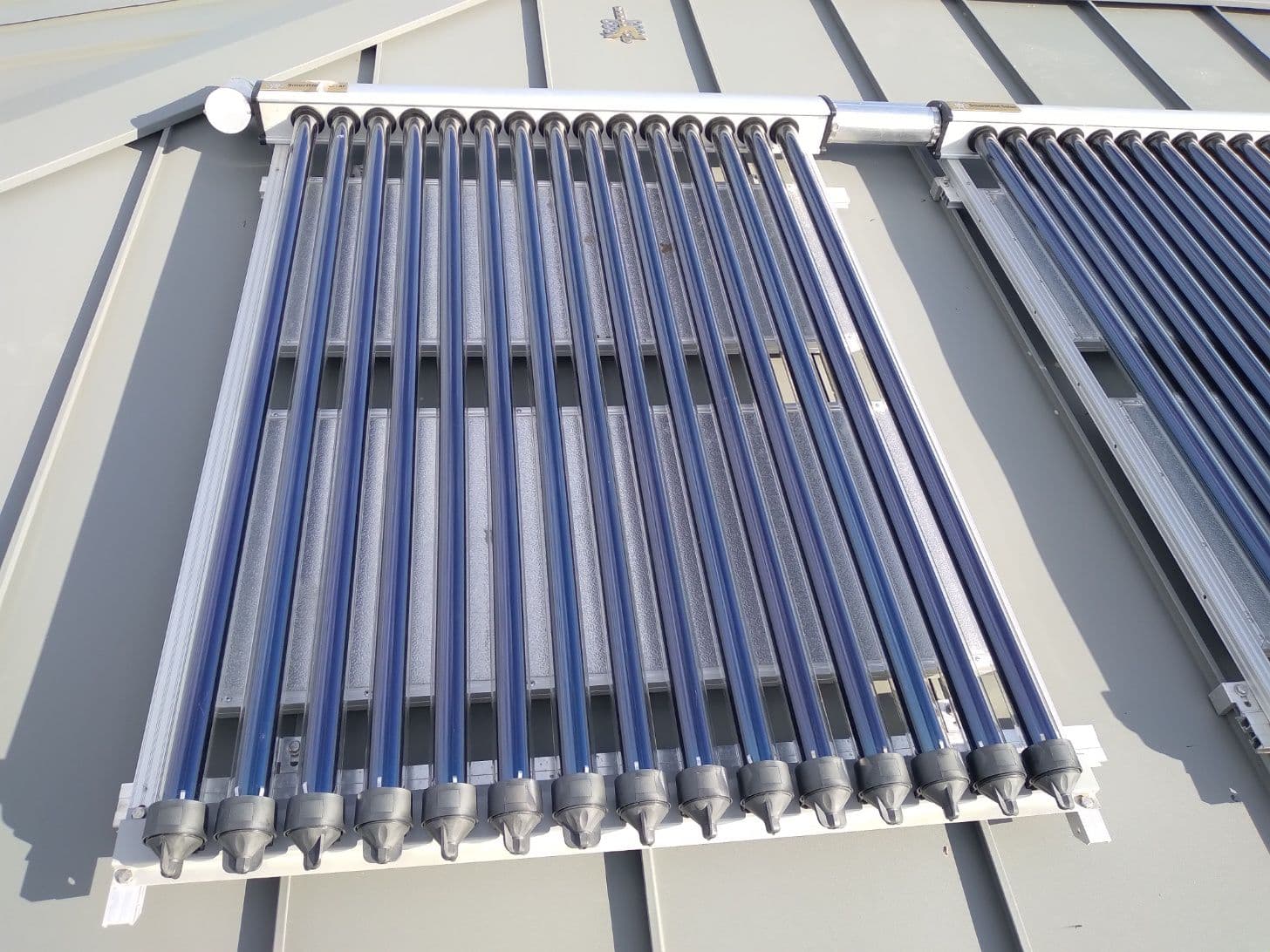
Collaroy, Northern Beaches, NSW
Evacuated Tube Solar Combi System – Collaroy
Solar Combi System
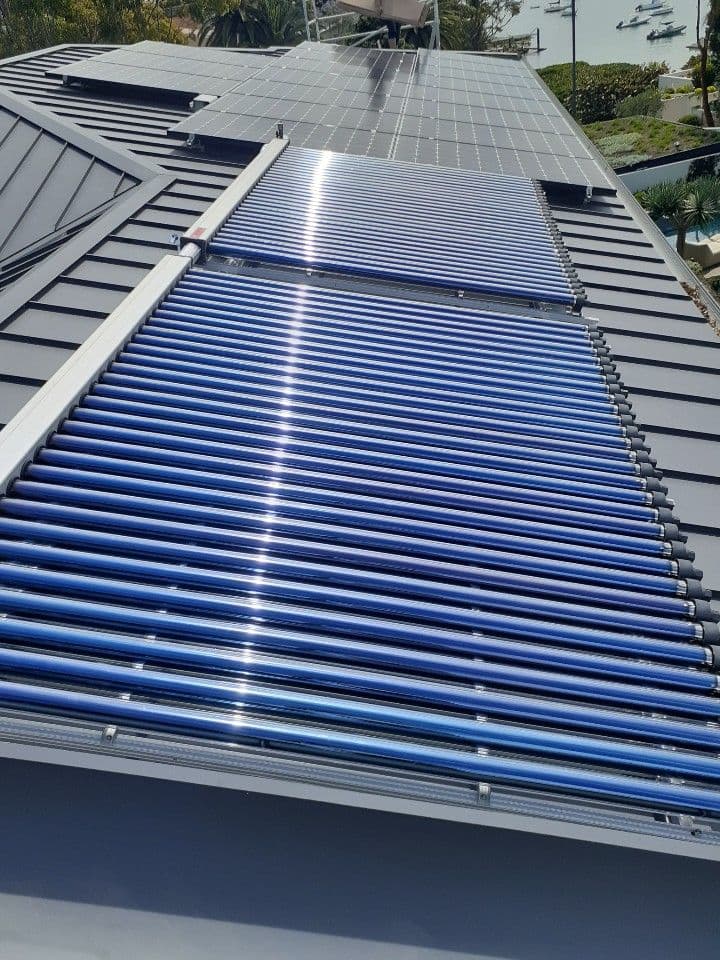
Vaucluse, Eastern Suburbs, NSW
Evacuated Tube Solar Combi System – Vaucluse
Solar Combi System